Navigating the complex world of PC parts can be daunting for any gamer especially those balancing life and gaming Our comprehensive guide breaks down everything from CPUs to GPUs storage to RAM helping you make informed decisions for your next build or upgrade Discover the latest trends in gaming hardware performance optimization budget friendly options and how to ensure your system keeps up with the demands of 2026 games We cover essential components tips for assembly and common pitfalls to avoid ensuring a smooth enjoyable gaming experience for busy adults who value their leisure time and want top tier performance without breaking the bank Learn to build a powerful machine that not only runs your favorite titles flawlessly but also supports social gaming and skill building without unnecessary hype or confusion Get ready to optimize your setup and truly enjoy every moment of your limited gaming hours This article is designed to be your trusted friend in the PC parts journey offering practical advice for every US gamer.
What are the absolute essential PC parts for a new gaming rig in 2026?
For a gaming PC, the critical PC parts include a powerful CPU and GPU, sufficient RAM (16GB minimum), fast SSD storage (NVMe recommended), a compatible motherboard, a reliable power supply unit (PSU), and an efficient cooling system. These components form the core of any high-performance gaming setup, especially considering the graphical demands of modern titles and the trend of 87% of US gamers playing regularly.
How much should I realistically budget for quality PC parts without overspending?
A good budget for quality PC parts in 2026, aiming for 1080p to 1440p gaming, typically ranges from $1000 to $1800. This allows for a strong mid-range CPU like an Intel i5/Ryzen 5, a capable GPU such as an RTX 4060/RX 7700 XT, 16-32GB RAM, and a 1TB NVMe SSD. For 4K gaming or future-proofing, budgets can easily exceed $2000, but smart choices in mid-range PC parts often yield the best performance-to-cost ratio for gamers balancing life and play.
What are the biggest mistakes gamers make when buying PC parts?
Common mistakes when buying PC parts include neglecting component compatibility, underestimating PSU wattage needs, buying excessive RAM or storage without a real need, and overspending on aesthetics (like RGB) instead of performance. Not researching current benchmarks or waiting for sales can also lead to suboptimal value, especially when 60% of gamers are looking for smart investments in their hobby.
How do I know if my existing PC parts are still good enough for new games?
To assess if your existing PC parts are sufficient, check the minimum and recommended system requirements for new games you want to play. Compare your CPU, GPU, and RAM against these. Use monitoring tools to check component temperatures and usage during gameplay. If your frame rates are consistently low, or your components are constantly at 90%+ utilization and running hot, it's likely time to consider upgrading key PC parts.
Where is the best place to buy reliable PC parts online?
Reputable online retailers for reliable PC parts include Amazon, Newegg, Best Buy, and direct from manufacturers like ASUS, MSI, Gigabyte, and NVIDIA. For deals, keep an eye on sales events like Black Friday, Cyber Monday, and Prime Day. Always check seller reviews and warranty policies to ensure you're getting genuine products and good support, which is crucial for the average gamer spending 10+ hours a week enjoying their setup.
Are specific PC parts better for social and multiplayer gaming experiences?
For social and multiplayer gaming, a stable internet connection is paramount. Beyond that, a strong CPU and ample RAM are crucial for handling game logic, voice chat (like Discord, a major social hub), and background applications smoothly. While a good GPU helps with visuals, ensuring your CPU can keep up with the demands of online lobbies and concurrent applications is vital for a lag-free, enjoyable social experience, especially as social gaming continues to trend strongly.
What emerging PC parts technologies should I watch out for in 2026?
In 2026, keep an eye on advancements in AI-powered upscaling technologies beyond DLSS/FSR, faster and more efficient NVMe SSDs (PCIe Gen 5/6), next-generation CPUs with hybrid architectures, and more power-efficient GPUs that deliver greater performance per watt. We're also seeing increased integration of optical components and more sophisticated cooling solutions becoming standard in high-performance PC parts, promising even more immersive and stable gaming environments.
Hey fellow gamers! Ever feel like the world of PC parts is a constantly shifting maze designed to confuse you? You're not alone. Balancing a job, family, and life while trying to keep your gaming rig performing optimally or planning a new build can feel like an impossible quest. We get it. You want to unwind with your favorite titles, connect with friends online, or dive into a new world, but the thought of researching CPUs, GPUs, RAM, and storage often leads to analysis paralysis.
Many US gamers, with an average age around 36, spend over 10 hours a week enjoying their hobby. For this dedicated crowd, gaming isn't just a pastime; it's a way to relax, build skills, and maintain social connections. However, common pain points arise: slow loading times, choppy frame rates, game recommendations for limited time, budget hardware upgrades, and simply knowing where to start with new PC parts. This comprehensive guide is your trusted companion, designed to cut through the noise and provide clear, actionable advice on all things PC parts. We're here to help you build or upgrade a gaming machine that delivers performance, value, and most importantly, fun, without unnecessary hype. Let's tackle those challenges head-on and optimize your gaming experience for 2026 and beyond!
What are the absolute essential PC parts for a gaming rig in 2026?
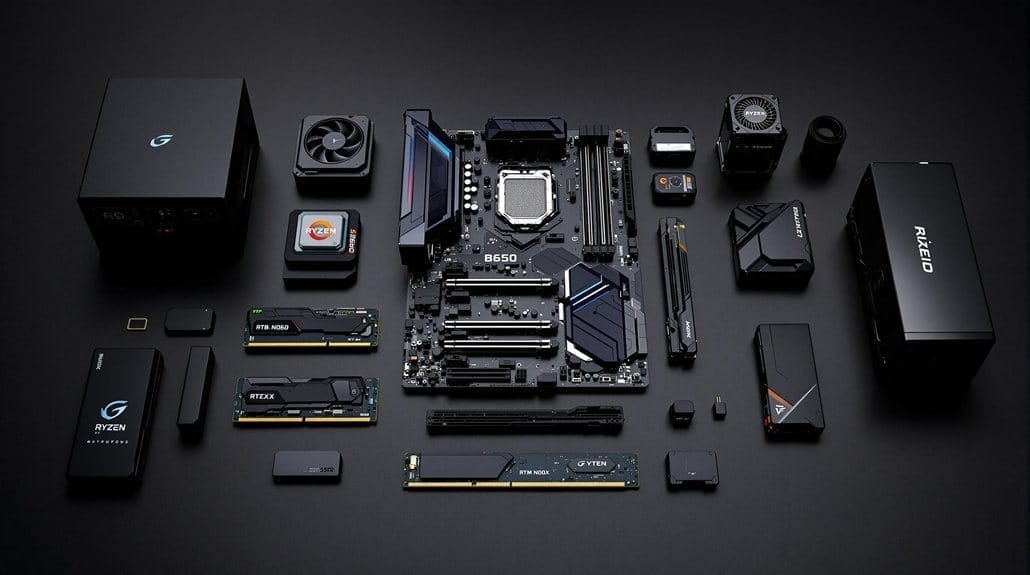
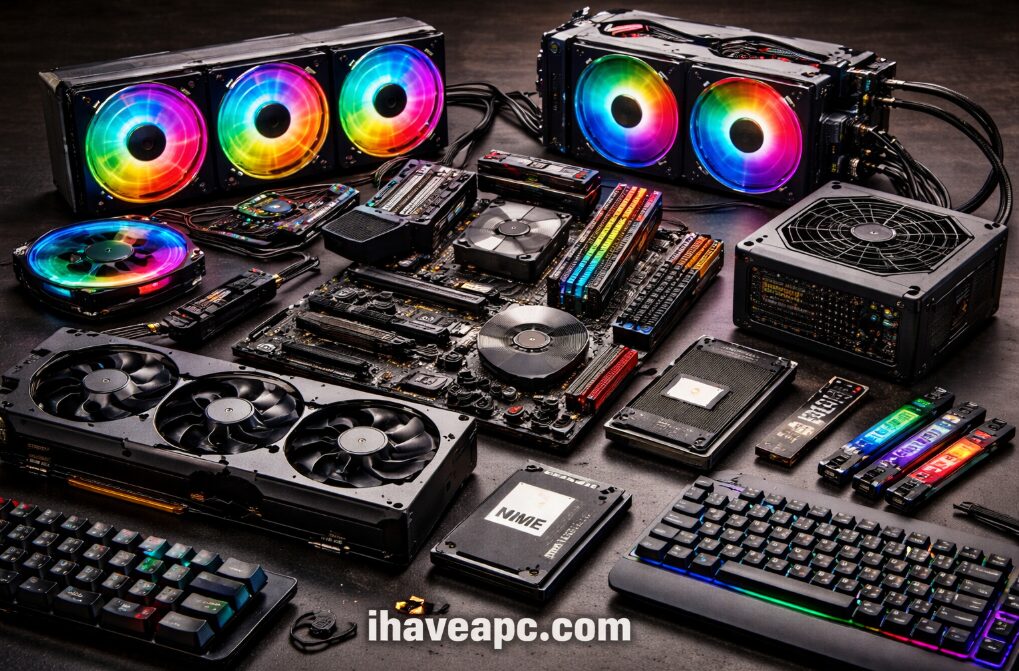
Building or upgrading a gaming PC means focusing on a few core PC parts that make the biggest difference. At the heart of it all, you need a powerful Central Processing Unit (CPU) to handle game logic and background tasks, and an even more critical Graphics Processing Unit (GPU) to render those stunning visuals. These two are the dynamic duo of any gaming setup. Beyond them, 16GB of Random Access Memory (RAM) is now the comfortable minimum, with 32GB becoming increasingly popular for multitasking and demanding titles. Fast storage, specifically an NVMe Solid State Drive (SSD), ensures lightning-quick load times. All these PC parts connect to a Motherboard, which needs a reliable Power Supply Unit (PSU) to feed it power. Finally, an efficient cooling system keeps everything running smoothly, especially during those intense gaming sessions.
How do I choose the right CPU and GPU for my specific gaming needs?
Choosing the right CPU and GPU among countless PC parts can feel overwhelming, but it boils down to your budget, resolution target, and desired frame rates. For CPUs, gamers often balance core count and clock speed. A mid-range Intel Core i5 or AMD Ryzen 5 is excellent for 1080p and 1440p gaming, while an i7/Ryzen 7 or higher provides more headroom for streaming, content creation, or 4K. For GPUs, this is where most of your gaming performance comes from. Determine if you're aiming for 1080p high refresh rates, 1440p quality, or 4K ultra settings. Look at benchmarks for the specific games you play. For example, an NVIDIA RTX 4060 or AMD RX 7700 XT offers great 1080p/1440p performance, while an RTX 4080/4090 or RX 7900 XTX targets top-tier 4K. Always check current reviews and benchmarks for the latest generations of these crucial PC parts.
What's the best way to balance performance and budget for my PC parts?
Balancing performance and budget when selecting PC parts is an art form that many busy gamers master. The key is strategic prioritization. Don't cheap out on your GPU and CPU, as these are your primary performance drivers. However, you can save money on other components. For instance, while a 2TB NVMe SSD is great, a 1TB version paired with a larger, slower HDD for less-played games can cut costs. Opt for 16GB of RAM instead of 32GB if you're strictly gaming. Consider last-generation components that still offer fantastic performance-per-dollar. For example, a previous-gen GPU or CPU might still crush 1080p gaming at a fraction of the cost of the absolute latest models. Look for sales events like Black Friday or Prime Day; US gamers are savvy shoppers, with many waiting for deals to maximize their budget. Remember, value for money often means finding the sweet spot, not just the lowest price.
How important are RAM and storage for modern gaming with new PC parts?
RAM and storage are more critical than ever for modern gaming and for optimizing your PC parts. For RAM, 16GB is the current standard for smooth gameplay in most titles, allowing your system to load game assets quickly. However, 32GB is becoming increasingly beneficial, especially for gamers who multitask, stream, or play memory-intensive games. Faster RAM speeds (e.g., DDR4-3600MHz or DDR5-6000MHz+) also contribute to marginal frame rate gains, particularly with AMD CPUs. When it comes to storage, an NVMe SSD is non-negotiable. Games are larger and more complex, and traditional HDDs simply can't keep up with the loading speeds required for immersive experiences and quick transitions. A 1TB NVMe SSD is a good starting point for your main game library, providing crucial speed for your most played titles.
Are Motherboard and PSU choices really that critical for PC parts?
Absolutely, the Motherboard and Power Supply Unit (PSU) are often overlooked PC parts but are foundational to your system's stability and future. The motherboard dictates compatibility for your CPU, RAM, and expansion cards. It's the central nervous system. A good motherboard offers reliable power delivery for your CPU, sufficient PCIe lanes for your GPU and NVMe drives, and essential connectivity ports. Don't just pick the cheapest; ensure it has the features and chipset appropriate for your chosen CPU. The PSU is the heart, providing stable power to all your PC parts. An underpowered or unreliable PSU can lead to crashes, instability, and even damage components. Always choose a reputable brand with an 80 Plus certification (Bronze, Gold, Platinum) and ensure it has enough wattage to support your current components and any potential future upgrades. A common rule is to calculate your estimated wattage and add a 20-30% buffer.
What are some common PC parts compatibility issues to watch out for?
Compatibility is king when assembling PC parts, and overlooking it can lead to major headaches. Here are key areas to double-check:
- CPU Socket and Motherboard: Your CPU will only fit specific motherboard sockets (e.g., Intel LGA 1700, AMD AM5). Ensure they match.
- RAM Type: DDR4 RAM won't fit DDR5 slots and vice-versa. Also, check your motherboard's maximum supported RAM speed and capacity.
- GPU Size and Case: Ensure your chosen graphics card physically fits inside your PC case, accounting for length, height, and thickness.
- PSU Connectors: Verify your PSU has all the necessary power connectors for your GPU, CPU, and motherboard (e.g., 8-pin CPU, 12VHPWR for new NVIDIA GPUs).
- Cooler Clearance: If using a large air cooler, ensure it doesn't interfere with your RAM sticks (especially tall RGB modules) or your case side panel.
- Storage Interface: Ensure your motherboard has sufficient NVMe slots (PCIe Gen 3, 4, or 5) for your chosen SSDs.
Using online PC parts compatibility checkers like PCPartPicker.com is highly recommended to avoid these common pitfalls, saving you time and frustration.
When is the best time to upgrade specific PC parts for maximum impact?
For many US gamers who balance busy lives, smart upgrading of PC parts can provide a significant performance boost without a full system overhaul. The best time for an upgrade depends on which component is bottlenecking your system. Generally:
- GPU: This is often the first component to upgrade for a noticeable FPS boost. If your current GPU struggles with new games at your desired settings, or if a new generation offers a substantial leap, it's time. This typically happens every 2-4 years.
- CPU: A CPU upgrade makes sense if your current processor is holding back your GPU (e.g., low CPU utilization while GPU is at 100%), or if you're getting into CPU-intensive tasks like streaming or video editing. This usually aligns with new platform releases (e.g., a new socket type), meaning it might involve a motherboard and RAM upgrade too.
- Storage: If you're still on an HDD for your main games, upgrading to an NVMe SSD is a transformative experience, drastically cutting load times. Even moving from a SATA SSD to NVMe can be worth it for key titles.
- RAM: Moving from 8GB to 16GB is a significant upgrade. Going from 16GB to 32GB is beneficial for heavy multitaskers or specific demanding games but might not be a game-changer for pure gaming.
Keep an eye on trends; for instance, the average US gamer spends 10+ hours gaming weekly, meaning consistent performance is key. Upgrading incrementally can keep you competitive without constant full system overhauls.
How can I ensure my gaming PC build is future-proof with new PC parts?
True future-proofing is tricky with rapidly evolving PC parts, but you can certainly make smart choices to extend your rig's relevance. Focus on purchasing a motherboard with the latest platform (e.g., AM5 for AMD, LGA 1700 for Intel) that supports current and potentially next-generation CPUs, faster RAM (DDR5), and multiple PCIe 5.0 NVMe slots. Invest in a CPU that has a good core count and strong single-thread performance. While GPUs evolve quickly, buying the highest-end GPU your budget allows will give you more longevity. Don't skimp on a high-wattage, efficient PSU; a 850W or 1000W Gold-rated unit gives ample headroom for future power-hungry PC parts. Finally, choose a well-ventilated case that supports various cooling solutions and larger components, ensuring your system remains cool and adaptable.
Are pre-built gaming PCs worth it compared to building my own PC parts list?
This is a classic debate among gamers. Pre-built gaming PCs offer convenience: they arrive ready to play, come with a single warranty, and often benefit from bulk pricing on components. This can be great for busy gamers who value their limited free time and want to jump straight into games without the hassle of assembly or troubleshooting. However, building your own PC using individual PC parts typically offers better value, allowing you to hand-pick components for specific performance targets, optimize your budget, and achieve a higher quality build for the same price or less. You also gain invaluable knowledge about your system. While 60% of gamers enjoy optimizing, many appreciate the simplicity of a pre-built. The choice depends on your comfort level with assembly, desire for customization, and how much time you're willing to invest.
What are the top trending PC parts for social gaming and streaming in 2026?
Social gaming and streaming are booming, with platforms like Discord and Twitch being central to many US gamers' experiences. This trend significantly influences demand for specific PC parts in 2026. For streamers, a high-core-count CPU (like an Intel i7/i9 or AMD Ryzen 7/9) is crucial for handling game, encoding, and streaming software simultaneously. GPUs with dedicated encoding hardware (e.g., NVIDIA's NVENC or AMD's AMF) are also highly sought after for efficient, high-quality streams without impacting game performance. Fast NVMe storage ensures quick game loads and smooth recording. For social gaming, a stable internet connection is paramount, alongside a capable CPU and ample RAM (32GB is ideal) to manage in-game voice chat, Discord, and other social applications without lag. Also, good quality microphones and webcams are essential peripherals for a great social and streaming experience.
Understanding PC parts is key to unlocking the full potential of your gaming passion. We've explored the essentials, how to choose wisely, common pitfalls, and future-proofing strategies. Remember, your gaming PC is an investment in your relaxation, social life, and skill development. Making informed decisions about your PC parts ensures you get the most out of every minute you dedicate to gaming. Don't let the complexity deter you; empower yourself with knowledge and build a rig that truly serves your needs.
What's your biggest gaming challenge with PC parts right now? Comment below and let's help each other out!
FAQ Section
Q: How often should I clean my PC parts?
A: It's recommended to clean your PC parts every 3-6 months to prevent dust buildup and overheating, ensuring optimal performance and longevity for your components. Dust is a silent killer for electronics.
Q: Can I mix and match different brands of PC parts?
A: Yes, generally you can mix brands for most PC parts like CPU, GPU, RAM, and storage, as long as they are compatible with your motherboard and power supply specifications. For instance, an AMD CPU can work with an NVIDIA GPU and Corsair RAM, provided the motherboard supports the CPU socket and RAM type.
Q: What are the quietest PC parts for a silent build?
A: For a silent build, focus on fanless or low-RPM CPU coolers, silent case fans with fluid dynamic bearings, SSDs instead of HDDs for storage, and a high-efficiency power supply with a quiet fan or passive cooling feature. Liquid cooling can also offer quieter operation under load compared to air coolers.
Q: Is liquid cooling necessary for a high-end gaming PC with powerful PC parts?
A: While not strictly necessary, liquid cooling (AIO or custom loop) can provide superior thermal performance for high-end gaming CPUs and GPUs, allowing for better overclocking potential and quieter operation under load, especially relevant for the 87% of US gamers who play regularly. Air coolers are often sufficient for most users, but liquid cooling offers an edge for extreme performance.
Q: What is RGB lighting in PC parts and why is it popular?
A: RGB lighting in PC parts refers to customizable Red Green Blue LEDs used for aesthetic customization. It's popular because it allows gamers to personalize their build's look, match themes, and create dynamic visual effects, adding a fun and expressive element to their setup that resonates with Gen Z/Millennial realities.
Q: Do cheaper PC parts always mean worse performance?
A: Not always. While high-end PC parts generally offer top performance, many mid-range components provide excellent value and can run most modern games at respectable settings. Smart budget choices can lead to a very capable gaming PC without breaking the bank, especially by focusing on the performance-per-dollar ratio rather than just the lowest price.
Choosing the right PC parts for gaming budget builds performance optimization understanding component compatibility future proofing your setup essential upgrade tips troubleshooting common issues and navigating 2026 hardware trends.
35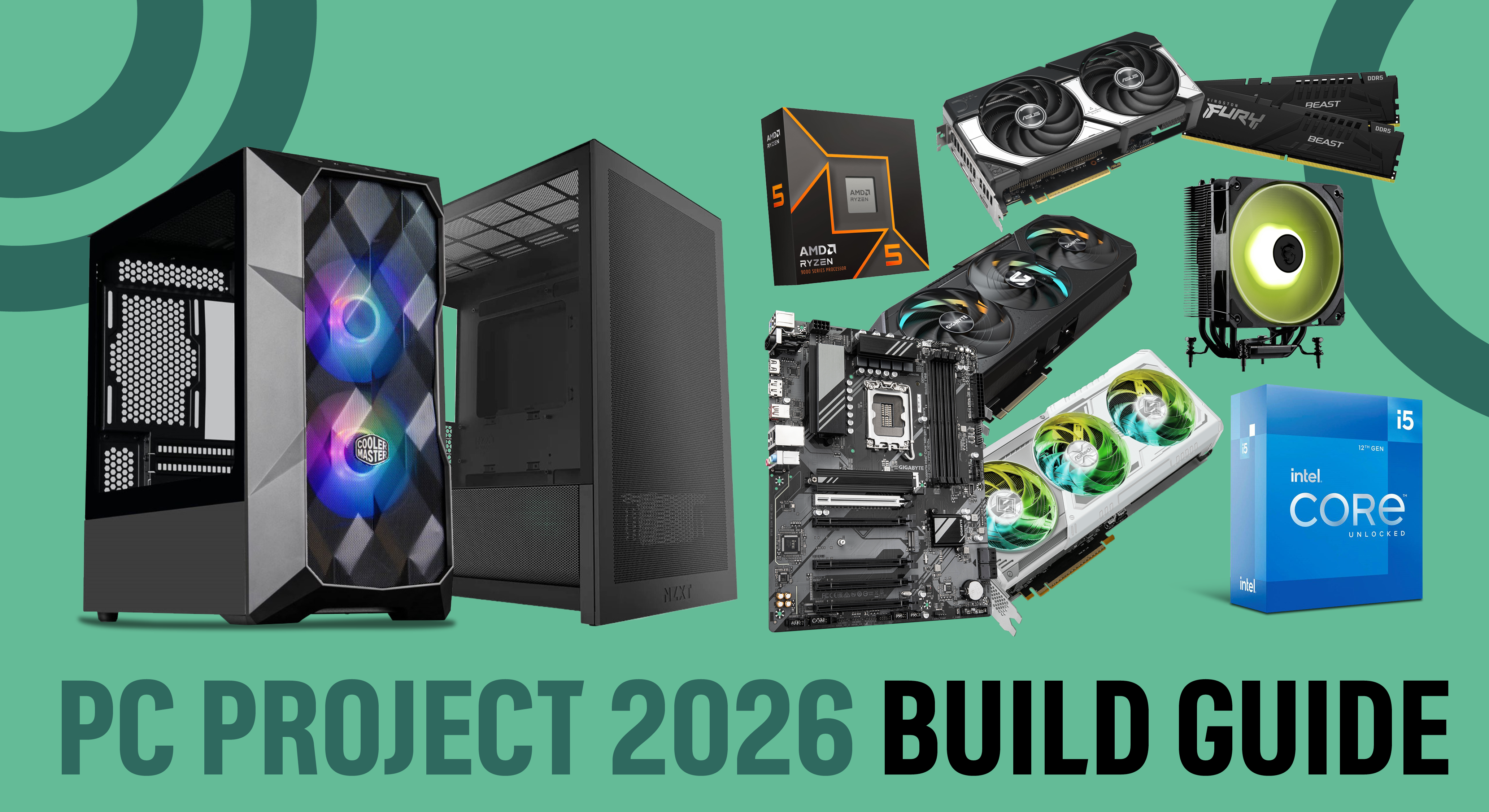
PC Project 2026 Where To Start With Building Your Own Gaming PC CCL CCL 667 BLOG BUILD GUIDE 1980x1080 . ASRock Brings Powerful And Exciting PC Upgrades To CES 2026 EnosTech Com ASRock At CES 2026 . Awesome All In Ones Potent Components The Top Desktops And PC Parts. Don T Kill Your PC Avoid These PC Parts In 2026 YouTube . Should You Buy A Pre Built PC Or Build Your Own In 2025 Tech4Gamers Gaming PC Parts


Awesome All In Ones Potent Components The Top Desktops And PC Parts. Sustainable Tech The Resale Value Of 2026 PC Components I Have A PC . Best For Gaming PCs In 2026 Intel AMD Guide Motherboard For Gaming Pcs In 2026.webp. MSI CES 2026 PC Parts Roundup GPU Safeguard PSUs New Coolers And Msi Ces 2026 Pc Parts. 2026 Me Ye PC Parts Bilkul Mat Lena Biggest PC Buying Mistakes



Best Gaming PC Builds For 2026 Best Gaming PC Builds For 2026.webp. Build PC 2026 Per GTA VI Potenza Massima E Bolletta Minima Generated Images 6. How To Build A PC 2024 PC Parts Explained Best PC Build 2024 YouTube . How To Build A Future Proof PC In 2026 Without Regret Gemini Generated Ima. Imresizer 98 . How To Pick PC Parts To Build A Gaming Computer Blog How To Pick Pc Parts
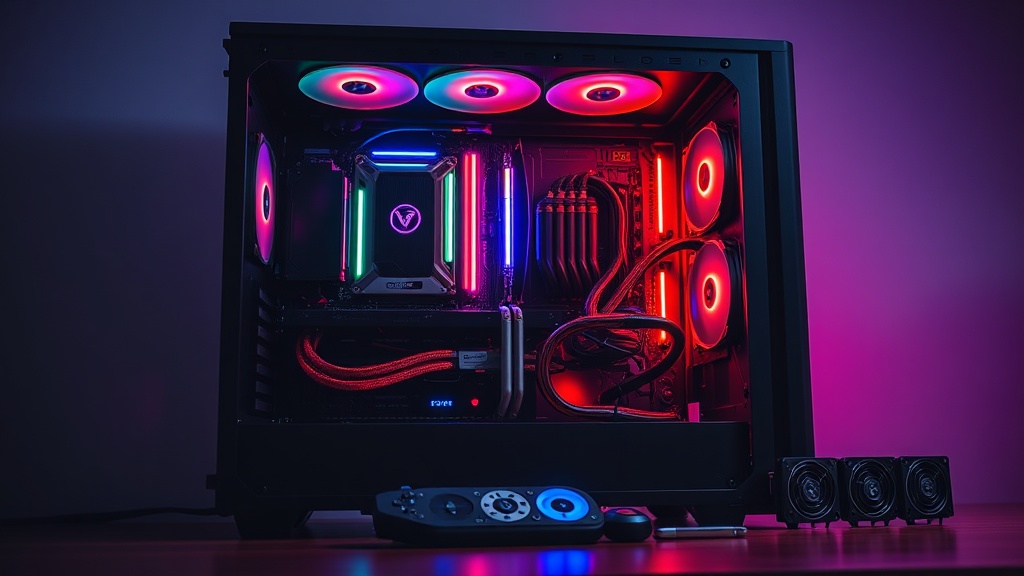

20 000 Budget Gaming PC Build Guide Philippines 2026 PC PARTS MANILA Budget Build Scaled . 2026 PC Parts Import Duty Guide Import Duty On Pc Parts Sa 2026 Banner.webp. Building An Enthusiast Grade PC Build For 2026 GeekaWhat FI DM87 HAVN BF RTX 5090 Build . How To Build A Gaming PC In 2026 Complete Parts Guide And Assembly Gaming Pc Build 2026 Hero . Custom PC Upgrades In NYC 5 Parts That Will Supercharge Your Workflow M5
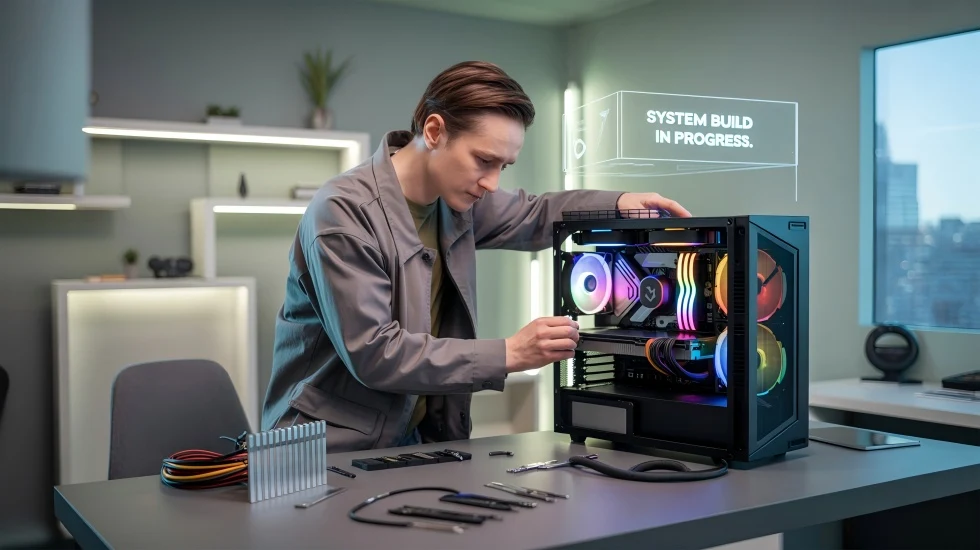


7 Komponen PC Yang Harus Kamu Upgrade Di Tahun 2026 Upgrade PC 2026 768x432 . How To Build A PC In 2026 GEEKOM UK Pc Building Guide.webp. Awesome All In Ones Potent Components The Top Desktops And PC Parts 25 . How To Choose PC Parts In 2026 Guide Build Smart How To Choose The Right PC Parts For Your First Build 2025 Guide . Future Proof PC Build 2026 Essentials Future Proof Pc Build Guide 2026 Banner.webp


6 Best Desktop Computers 2026 YouTube . PC Parts To AVOID Buying 2026 YouTube . Wow Worthy Builds Only The 12 Top PC Cases We Saw At CES 2026 Inwin Aeon 4ydd . Awesome All In Ones Potent Components The Top Desktops And PC Parts 23 . 8 Gaming PC Fixes For 2026 DML 8 Gaming PC Fixes For 2026 Blog
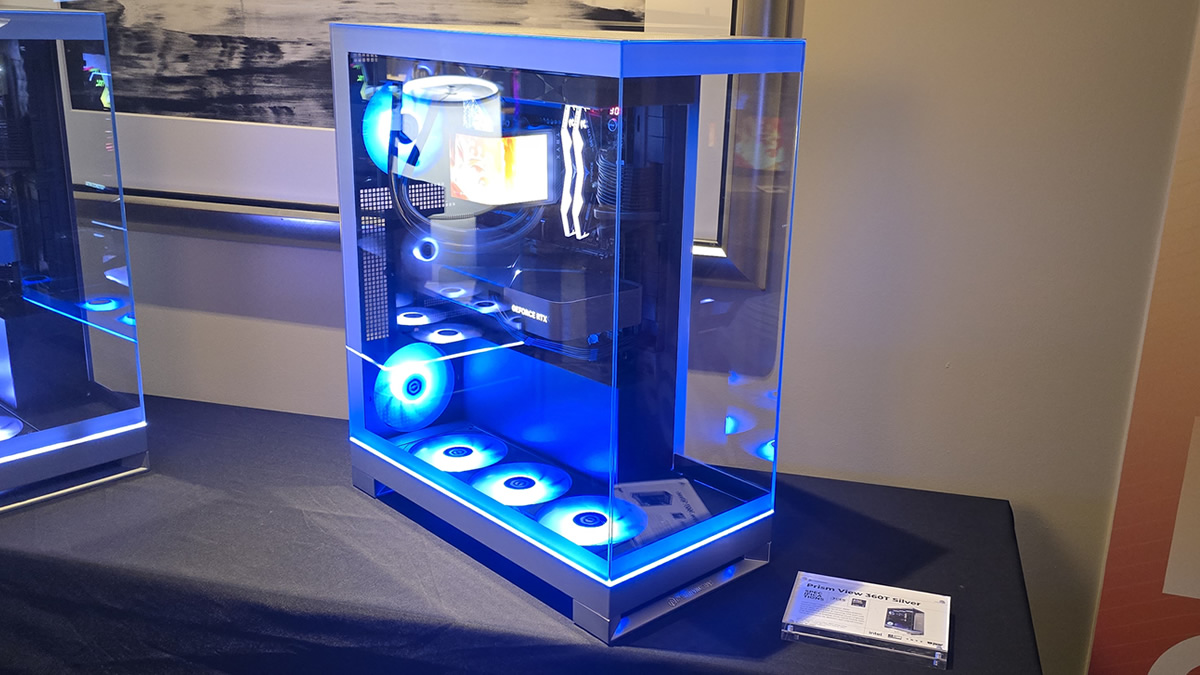

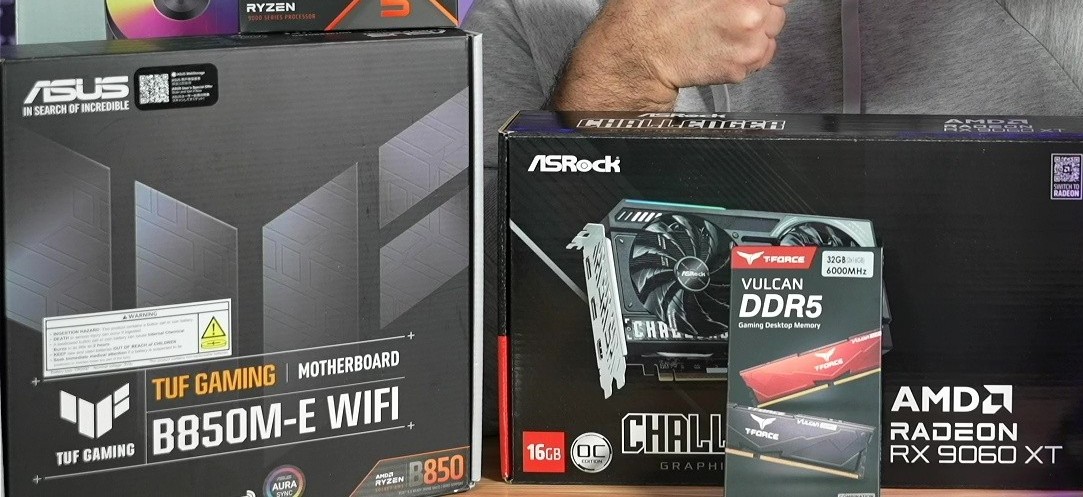

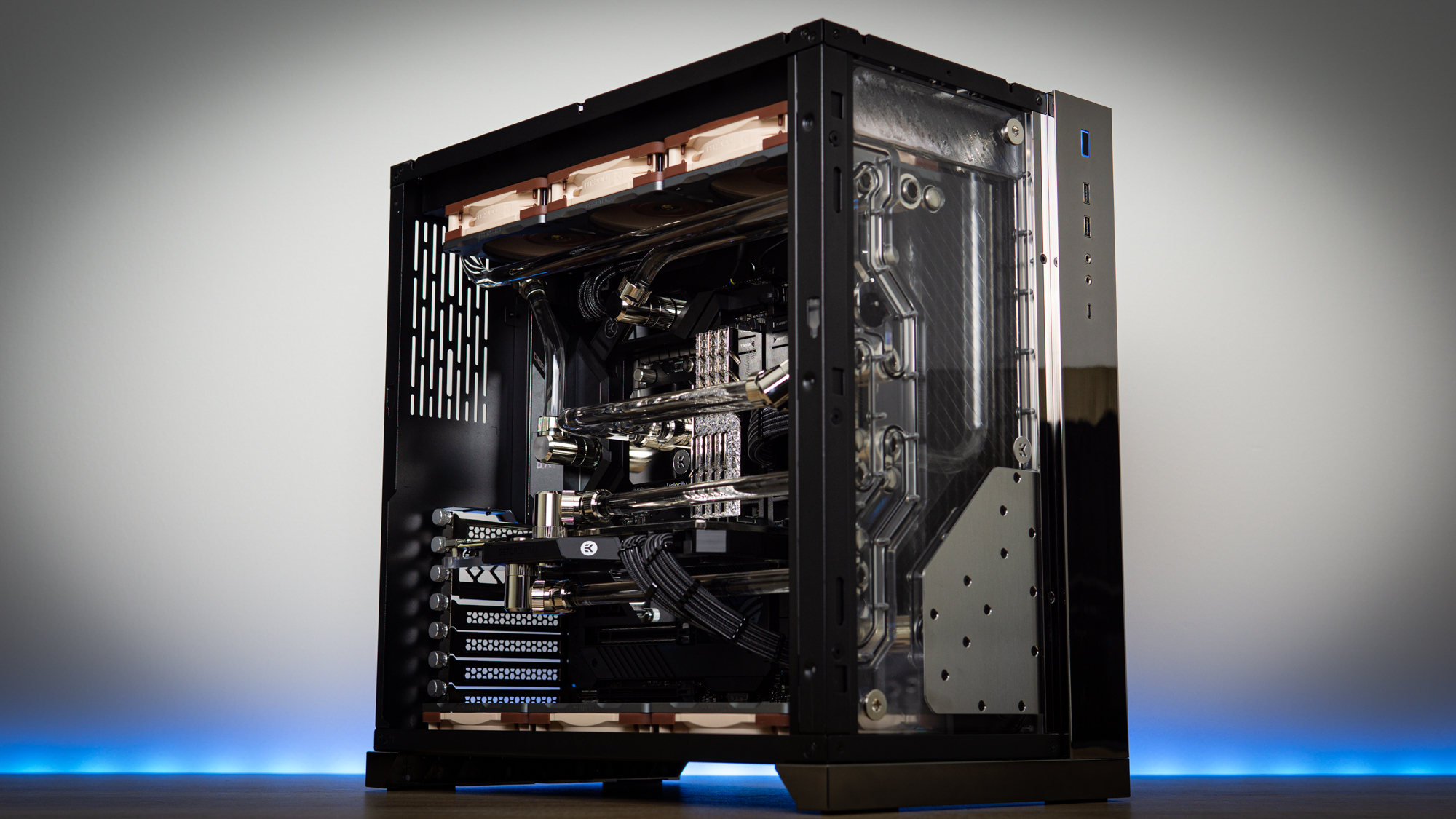
Becomes The King Of Budget PC Cases At CES 2026 OC3D Prism View 360T Silver . How To Build A Gaming PC In 2026 Complete Beginner Guide How To Build Gaming Pc 2026 . How To Build An Affordable Gaming PC In 2026 Knowledge Sharing Tech Components . Should You Build A PC In 2026 Mid Range Gaming Build Guide January Cld Sample . Best PC Cases 2026 Our Tested Picks For Your Next Build Tom S Hardware