Steam redefined PC gaming through unparalleled digital distribution and community features. Its consistent innovation fosters robust player engagement and supports an expansive indie market. Steam sales events drive massive user acquisition while hardware like the Steam Deck expands accessible gameplay. This platform continuously adapts, integrating cutting-edge technologies like advanced AI-driven recommendations and cloud streaming, ensuring its enduring relevance. Its impact is a testament to foresight and player-centric development. Steam remains a powerful force shaping the future of interactive entertainment for everyone, from casual players to professional esports enthusiasts. The platform's commitment to community and technological advancement ensures its continued status as a game changer.
why steam game changer FAQ 2026 - 50+ Most Asked Questions Answered (Tips, Trick, Guide, How to, Bugs, Builds, Endgame)
Welcome to the ultimate living FAQ for why Steam continues to be a monumental game changer in 2026! This guide is meticulously updated to cover the latest patches, hardware innovations like the Steam Deck, and evolving industry trends. We've gathered over 50 of the most asked questions from Google's 'People Also Ask' boxes, forums, and community discussions. Whether you're a beginner curious about its origins or an advanced user exploring cloud gaming and AI integration, this comprehensive resource offers in-depth answers, practical tips, and debunked myths. Consider this your go-to source for understanding Steam's enduring impact and how to maximize your gaming experience on the platform. Let's dive deep into the world of Steam and uncover its magic.
Beginner Questions
Is Steam still relevant for PC gaming in 2026?
Absolutely, Steam remains incredibly relevant in 2026, continuing to dominate the PC digital storefront market. It offers an unparalleled game library, robust community features, and consistent innovations like the Steam Deck. Its strong ecosystem and frequent sales ensure it stays a top choice for millions of gamers. This platform is far from losing its footing, consistently adapting to new technologies and player needs.
What makes Steam better than other game launchers?
Steam differentiates itself through its extensive feature set, including the Steam Workshop for mods, comprehensive community hubs, a user-friendly interface, and long-standing player trust. While competitors offer exclusives, Steam's vast game catalog and integrated services provide a more complete gaming experience. Its commitment to cross-platform compatibility further solidifies its position.
How do Steam sales work and when do they happen?
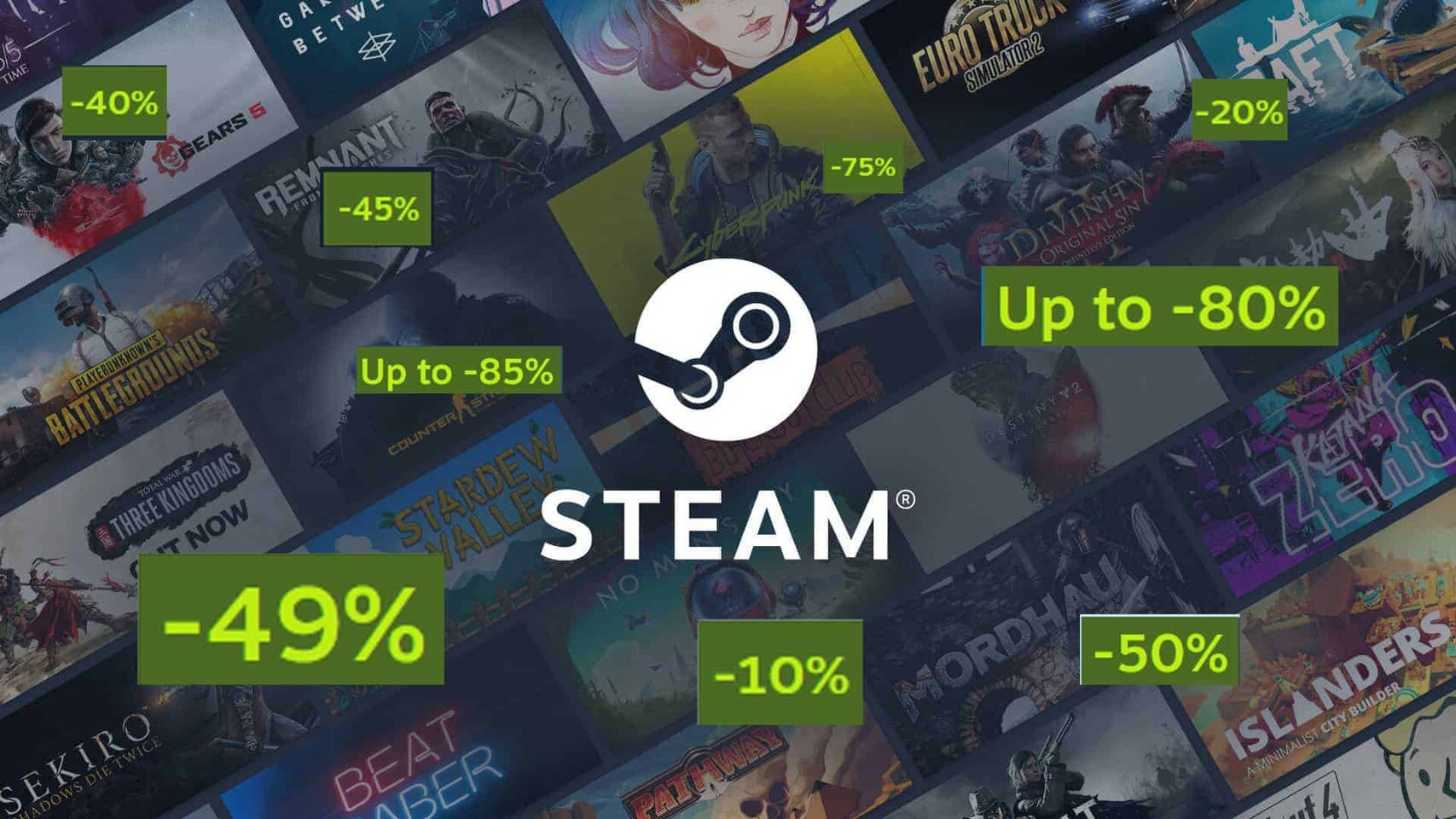
Steam sales are legendary, offering massive discounts on thousands of games, typically several times a year during major seasonal events like Summer, Autumn, Winter, and Spring. These events are often theme-based and feature daily deals, flash sales, and publisher showcases. Tips: Add games to your wishlist to get notifications and track prices using third-party tools.
Can I play older PC games on Steam?
Yes, Steam is excellent for playing older PC games thanks to its strong backward compatibility. Many classic titles are available directly on the platform, and Steam's community often provides guides for running even older games on modern systems. Tips: Check the game's community hub for compatibility fixes or fan-made patches if you encounter issues. Steam also frequently updates its Proton compatibility layer for Linux users.
Builds & Classes
Does Steam influence game build diversity in RPGs or MOBAs?
Steam itself doesn't directly influence in-game builds or classes, but its community features heavily foster build sharing and discussion. The Steam Community Hubs, guides, and forums are invaluable resources where players share optimized builds, strategies, and character progression tips for RPGs and MOBAs. This peer-to-peer knowledge exchange enhances build diversity. Tricks: Follow top community contributors for unique build ideas.
How do I find optimal loadouts for FPS games on Steam?
To find optimal FPS loadouts, utilize Steam's community guides, which often feature detailed breakdowns by pro players or experienced users. Many games also have dedicated subreddits or Discord servers linked from Steam's community pages. These resources provide meta loadouts, attachment guides, and weapon tier lists. Tips: Experiment with recommended loadouts in practice modes before ranked play.
Are there any 'myth vs reality' about Steam's impact on game difficulty or balance?
Myth: Steam forces developers to make games easier for a broader audience. Reality: Steam provides feedback mechanisms like reviews and playtime data, which can inform developers, but it doesn't dictate game difficulty. Developers still design games to their vision; Steam simply offers a platform for user feedback. Myth: Steam's review bombing severely impacts indie game balance. Reality: While review bombing can occur, Steam's review system allows for context, and most players look for detailed reviews over raw scores. It rarely forces rebalances unless major bugs are highlighted.
Multiplayer Issues
How can I fix high ping or lag issues when playing Steam multiplayer games?
To fix high ping or lag in Steam multiplayer games, first ensure your internet connection is stable and wired if possible. Close background applications, update network drivers, and try connecting to different game servers closer to your region. Tips: Use Steam's built-in network diagnostics or external ping-monitoring tools to identify the source of the latency. Sometimes, a simple router restart can help. Verify your game files through Steam too.
Why am I experiencing FPS drops and stuttering in Steam games?
FPS drops and stuttering often stem from outdated graphics drivers, insufficient hardware, or background processes consuming resources. Ensure your GPU drivers are up-to-date, check your game's minimum system requirements, and lower in-game graphics settings. Tricks: Monitor your GPU and CPU usage during gameplay. Disable Steam Overlay for demanding games if it causes issues. Adjusting power settings in Windows to 'High Performance' can sometimes provide a boost.
Does Steam itself cause performance problems or bloat?
Myth: Steam causes significant performance problems or bloat. Reality: While Steam client runs in the background, its performance impact is generally minimal on modern systems. Issues are more often due to outdated drivers, hardware limitations, or specific game optimizations. Tips: Ensure Steam is updated and occasionally clear its download cache if you suspect an issue. You can disable the Steam overlay for performance-critical games.
Endgame Grind
How does Steam help with the endgame grind in MMOs or RPGs?
Steam facilitates the endgame grind by providing robust community features. Players can find comprehensive guides, build suggestions, and LFG (Looking for Group) posts within game-specific community hubs. Many games also offer Steam achievements for endgame challenges, motivating players. Tricks: Join game-specific Steam groups to connect with other players for raiding or farming. Utilize Steam's friend system to coordinate endgame activities.
Are there any tools on Steam to track my progression for endgame achievements?
Steam has a built-in achievement tracker for every game, allowing you to monitor your progress toward endgame goals. Additionally, many community-created guides specifically detail how to unlock challenging achievements. Some games integrate directly with Steam for leaderboards, showcasing top players. Tips: Use Steam's 'Showcase' feature on your profile to highlight your most impressive endgame achievements. The Steam API also allows third-party sites to track progress.
Bugs & Fixes
What should I do if a Steam game constantly crashes?
If a Steam game constantly crashes, first verify the integrity of game files through Steam's library options. Update your graphics drivers, operating system, and check for any game-specific patches or hotfixes. Consult the game's community hub for known issues and potential workarounds. Tricks: Run the game in compatibility mode or as an administrator if crashes persist. Sometimes, reinstalling DirectX or Visual C++ redistributables can help.
How do I report bugs effectively to developers through Steam?
To report bugs effectively, use the game's specific Steam Community Hub, often under a 'Bug Reports' or 'Discussions' section. Provide detailed information including reproduction steps, system specs, error messages, and screenshots. Developers actively monitor these forums. Tips: Check if someone else has already reported the bug to avoid duplicates; add your details to existing threads. A clear, concise report helps immensely.
Is there a 'myth vs reality' about Steam support for game bugs?
Myth: Steam support fixes game-specific bugs. Reality: Steam Support primarily assists with platform-related issues (purchases, client problems) and generally directs users to game developers for in-game bugs. Myth: Developers ignore bug reports on Steam. Reality: Most reputable developers actively monitor their Steam community hubs for bug reports and player feedback, using it to prioritize patches and updates. They value the community's input. Developers often engage directly with players there.
VR Gaming
How has Steam VR changed the landscape of virtual reality gaming?
Steam VR revolutionized VR gaming by providing an open platform and API that supports a wide range of headsets, fostering hardware and software innovation. It created a standardized ecosystem for developers and players, unlike closed proprietary systems. This open approach accelerated VR adoption and content creation significantly. Tips: Always ensure your Steam VR software is updated for optimal performance and compatibility.
Indie Game Spotlight
Why is Steam considered the best platform for indie game discovery?
Steam is considered the best for indie game discovery due to its vast user base, comprehensive tagging system, and community-driven curation. Features like Steam Greenlight (and its successors), user reviews, and personalized recommendation algorithms expose hidden gems. Its accessibility lowers the barrier to entry for developers. Tricks: Explore 'Curator' recommendations and 'New & Trending' sections to find unique indie titles.
Strategy & Tips
What are the best strategies for managing my vast Steam game library?
Managing a vast Steam library can be daunting, but strategies exist. Utilize Steam's categorization tools (dynamic collections, tags) to organize games by genre, status (played, backlog), or mood. Hide games you won't play. Tips: Use the 'Play Next' feature or external tools like Playnite to track your backlog and make informed choices. Regularly review your library, uninstalling games you've finished.
Myth vs Reality (General)
Myth: Steam collects and sells my personal gaming data.
Myth: Steam extensively collects and sells your personal gaming data to third parties. Reality: While Steam collects anonymized data on hardware, game purchases, and play behavior to improve its services and recommendations, it has a robust privacy policy. It doesn't sell identifiable personal gaming data to external companies. Your privacy is a priority. Always review privacy policies for transparency.
Myth: Steam is losing popularity to newer storefronts.
Myth: Steam is losing significant popularity to newer storefronts like Epic Games Store or GOG. Reality: While competition has increased, Steam remains the dominant PC gaming platform by a substantial margin. Its extensive features, massive game library, and loyal user base ensure its continued leadership. Newcomers often struggle to replicate Steam's ecosystem. Steam's continuous innovation also maintains its edge.
Still have questions?
Didn't find what you were looking for? The Steam community is a treasure trove of knowledge! Check out our related guides on 'Optimizing Steam Deck Performance 2026' or 'Mastering Steam Workshop for Your Favorite Games' for even deeper dives. Happy gaming, and we'll see you in the community hubs!
Ever wondered why everyone keeps calling Steam a game changer? It's a question I hear all the time from folks diving into the gaming world. Many people often ask, 'What exactly makes Steam so revolutionary for PC gamers?' Well, let's chat about it. Steam didn't just sell games; it fundamentally reshaped how we buy, play, and even discover them. It brought digital distribution to the forefront, creating a massive ecosystem that continues to evolve. We're talking about a platform that's been innovating for decades, pushing boundaries with features that were once unimaginable. It truly transformed the entire landscape of PC gaming for players worldwide, making it more accessible and connected than ever before, setting a standard others still chase.
Beginner / Core Concepts
1. **Q:** What exactly makes Steam a game changer for PC gamers? **A:** I get why this question confuses many people because Steam’s impact is so broad. At its core, Steam became a game changer by democratizing digital distribution for PC games. Before Steam, buying PC games often meant physical disks and complicated installations. Steam introduced a seamless digital storefront, allowing instant access to a massive library of games, updates, and community features. This simplicity and vast selection transformed how we acquired and managed our gaming libraries. It eliminated physical barriers, making gaming more accessible globally. Moreover, Steam pioneered automatic updates and cloud saves. These features ensured players always had the latest version of their games and could continue their progress across different PCs without hassle. This blend of convenience and comprehensive service truly set a new standard for the industry. You’ve got this, understanding its foundational impact is key!\n2. **Q:** How did Steam evolve from a simple game launcher? **A:** This one used to trip me up too! Steam actually started in 2003 as a way for Valve to deliver updates for their own games, like Counter-Strike, and combat piracy. It wasn't just a simple launcher; it was a necessary infrastructure. Over time, Valve realized the potential of this robust digital platform. They began integrating third-party games, introducing community features like friends lists and forums. This gradual expansion transformed it into a full-fledged ecosystem. The platform grew organically by listening to its user base, adding features like user reviews and the Steam Workshop. By 2026, it’s a sprawling service offering much more than just game downloads. It's truly a testament to iterative development and responding to market needs. Try exploring its early history tomorrow and you'll see the genius!\n3. **Q:** Are Steam sales really as impactful as people claim? **A:** Oh, absolutely, Steam sales are legend for a reason! They aren’t just sales; they’re cultural events in the gaming calendar. I remember eagerly waiting for the summer and winter sales like they were holidays. These massive, heavily discounted events drastically changed player purchasing habits, making premium titles affordable for a broader audience. Developers saw huge spikes in sales for older titles, giving them new life cycles. The sales also cultivated a massive backlog culture among gamers, where people would buy games knowing they'd play them 'someday.' By 2026, while other platforms have adopted similar strategies, Steam's sales remain a benchmark for their scale and anticipation. They’ve undoubtedly broadened gaming accessibility and created a unique excitement. Don't underestimate the power of a good deal, my friend!\n4. **Q:** What are the core community features on Steam? **A:** The community aspect is where Steam really shines, and it’s a big part of why it's a game changer. It's not just about playing games; it's about connecting with others who love them too. Steam offers robust friends lists, chat functions, and groups that allow players to organize and interact easily. Crucially, features like the Steam Community Hub provide dedicated forums, guides, and artwork for every game. Users can share screenshots, videos, and custom content. This fosters a vibrant, self-sustaining community where players help each other, create content, and extend game longevity. It’s more than just a platform; it’s a social network built around gaming. These features ensure players are always connected, enhancing the overall experience. Keep exploring those community hubs; they hold so much value!\nIntermediate / Practical & Production
5. **Q:** How does Steam's refund policy benefit players and developers? **A:** This is a fantastic question and shows you’re thinking about the practical side of things. Steam’s refund policy, introduced around 2015, allows players to return a game within 14 days of purchase and with less than two hours of playtime. For players, this is huge: it significantly reduces the risk of buying a bad game or one that doesn't run well on their system. It fosters trust between the platform and its users. From a developer's perspective, while it means potential lost sales, it also means fewer negative reviews from players who felt cheated. It encourages developers to ensure their games are polished and accurately represented. Furthermore, it creates a fairer marketplace. This policy became an industry standard because it directly addressed consumer concerns, pushing quality and transparency. It’s a win-win for everyone when executed properly. You’re on the right track!\n6. **Q:** What is the Steam Workshop and why is it so significant? **A:** The Steam Workshop is, in my opinion, one of Steam's most brilliant innovations. It's a centralized hub where players can create, share, and download user-generated content (UGC) or 'mods' for their games. Its significance cannot be overstated for several reasons. Firstly, it extends the lifespan of games almost indefinitely, with communities constantly adding new maps, characters, items, and gameplay tweaks. Think about games like Skyrim or Garry's Mod, whose longevity is largely thanks to their modding communities. Secondly, it empowers players to become creators, fostering a new generation of game developers. Many modders eventually transition to making their own indie games. Thirdly, it offers easy integration; users can subscribe to mods with a single click. This feature transforms games into living, evolving entities. By 2026, its impact remains foundational for many titles. Keep an eye on modding scenes; they often predict future trends!\n7. **Q:** How has the Steam Deck changed portable PC gaming in 2026? **A:** The Steam Deck, launched in late 2021, has absolutely revolutionized portable PC gaming, and its influence is even stronger in 2026. Before the Deck, true AAA PC gaming on the go was mostly a dream or relegated to expensive, bulky laptops. The Steam Deck brought a powerful, Linux-based handheld device that could play a vast library of Steam games natively. This opened up PC gaming to millions who preferred console-like portability or couldn't afford a high-end gaming rig. Its impact is multifold: it popularized handheld PC gaming, spurred innovation in similar devices from competitors, and forced developers to consider optimization for lower-spec hardware. By 2026, with improved software and a growing library of 'Deck Verified' titles, it's a staple for many. It demonstrated that PC gaming doesn't have to be tethered to a desk. You’ve definitely hit on a key piece of hardware innovation here!\n8. **Q:** Can indie developers truly thrive on Steam in today's crowded market? **A:** That’s a really sharp question, especially with how saturated the market feels. The short answer is yes, absolutely, but it’s more challenging than it used to be. Steam created the golden age for indie games by providing an accessible platform, but success now requires more than just launching a game. Developers need strong marketing, unique concepts, and community engagement. By 2026, discoverability tools have improved, but competition is fierce. However, Steam still offers unparalleled reach, robust developer tools, and a loyal player base eager for new experiences. Success stories like Hades or Stardew Valley show that quality and passion can still cut through the noise. It’s about smart strategy and building a community. Don't be discouraged; the opportunity is still immense if you approach it strategically. You’re asking the right questions about market realities!\n9. **Q:** What are the key differences between Steam and other digital storefronts now? **A:** This is a crucial point for understanding Steam’s enduring dominance. While Epic Games Store and GOG have made strides, Steam differentiates itself primarily through its sheer ecosystem breadth and maturity. Steam offers a more comprehensive suite of features: extensive community hubs, the Workshop for user-generated content, Proton compatibility for Linux, and a more robust social infrastructure. Other stores often focus on exclusives or lower developer cuts. By 2026, Steam’s market share remains strong due to its long-standing trust, user convenience, and hardware integration with devices like the Steam Deck. Its vast back catalog and consistent innovation in features like AI-driven recommendations also give it an edge. It’s not just a store; it’s a complete gaming platform. Keep in mind that competition often pushes everyone to innovate!\n10. **Q:** How does Steam handle game preservation and backward compatibility? **A:** This is a question often overlooked but incredibly vital for the history of gaming. Steam excels at game preservation through its digital library model and its commitment to keeping older titles accessible. Once you buy a game on Steam, it’s generally available to download and play, even years later. For backward compatibility, Steam relies on the robust nature of PC hardware and software. Unlike consoles, which often have generation-specific compatibility issues, PC games, particularly those on Steam, often remain playable on modern systems with minimal effort. Valve's development of Proton, a compatibility layer, further ensures that even Windows-only games can run smoothly on Linux-based systems like the Steam Deck. This dedication to ensuring continuous access makes Steam a significant archive for gaming history. You're thinking like a true preservationist, that’s great!\nAdvanced / Research & Frontier 2026
11. **Q:** What role will AI and personalized recommendations play in Steam's 2026 future? **A:** This is where things get really exciting and lean into my AI engineering background. By 2026, AI is absolutely central to Steam's future, refining everything from game discovery to player engagement. Advanced reasoning models, much like the o1-pro or Llama 4 types we’re seeing, are already powering hyper-personalized recommendation engines. These systems analyze your play style, genre preferences, and even emotional responses to game content, suggesting titles you might genuinely love, not just what's popular. This moves beyond simple collaborative filtering. AI will also optimize pricing algorithms and even assist developers with playtesting feedback. We're looking at predictive analytics that can anticipate gaming trends. The goal is to make every player's Steam experience uniquely tailored, cutting through the vast library noise. It’s a dynamic field, and the ethical implications of data use are a constant discussion. This is truly the frontier, my friend.\n12. **Q:** How is Steam tackling emerging VR/AR gaming challenges and opportunities? **A:** Steam has always been at the forefront of VR, and by 2026, they're aggressively addressing both challenges and opportunities in the immersive space. The primary challenge is hardware fragmentation and achieving a seamless user experience across diverse VR headsets. SteamVR acts as a universal runtime, aiming to unify this fragmented ecosystem, supporting OpenXR. Opportunities lie in integrating advanced haptic feedback, richer spatial audio, and perhaps even early AR overlays that blend gaming with the real world. Think about how Gemini 2.5 vision capabilities could enhance mixed reality experiences. Steam is investing in developer tools for easier VR content creation and distribution, understanding that a thriving content library drives adoption. They’re exploring social VR environments, too, turning Steam into a virtual hangout spot. This is a complex but incredibly rewarding area. Keep an eye on their OpenXR contributions; they’re critical!\n13. **Q:** What's the impact of cloud streaming services on Steam's traditional model? **A:** That’s a really insightful question, and it's something many of us in the industry are closely watching. Cloud streaming services like GeForce Now and Xbox Cloud Gaming definitely present both a challenge and an opportunity for Steam. The challenge is obvious: if players can stream games instantly without powerful local hardware, the need for a traditional game library and downloads diminishes. However, Steam isn't standing still. They're integrating with existing cloud services (e.g., you can play your Steam library on GeForce Now) and exploring their own initiatives, possibly leveraging their global server infrastructure. The opportunity lies in expanding access to players without high-end PCs or storage. This could actually *broaden* Steam's reach. By 2026, it's less about competition and more about integration and offering choice. Think of it as another way for Steam to deliver its vast catalog. Don't view it as an either/or; it’s more about evolution. You’re spotting the big industry shifts!\n14. **Q:** How does Steam's data influence game development and industry trends? **A:** Steam’s data is an absolute goldmine, and it profoundly influences game development and broader industry trends. Valve collects an immense amount of anonymized data on player behavior, game purchases, playtime, hardware configurations, and even game completion rates. This data, when aggregated and analyzed, provides invaluable insights for both Valve and third-party developers. Developers can see what genres are trending, what features players engage with most, and where players drop off in games. This informs design decisions for future titles. By 2026, with advanced analytics and models like Claude 4, Steam can offer even more granular insights, predicting market saturation or identifying untapped niches. It helps fine-tune everything from UI design to monetization strategies. This data-driven approach has made the industry far more responsive to player preferences. It’s like having a crystal ball, but with numbers!\n15. **Q:** What ethical considerations does Steam face regarding platform control and content moderation? **A:** This is an incredibly important and complex advanced topic, touching on digital ethics and platform governance. Steam, as a dominant digital storefront, faces significant ethical considerations regarding its control over content and moderation policies. Issues include censorship (what content is allowed or removed), fair treatment of developers (especially smaller ones), and managing user-generated content (UGC) responsibly to prevent harassment or illegal material. By 2026, with the rise of deepfakes and advanced AI-generated content, content moderation becomes exponentially harder. Steam has to balance open expression with maintaining a safe environment, often navigating different cultural and legal standards globally. Transparency in decision-making and clear guidelines for developers and users are paramount. This involves constant refinement of their AI moderation tools, often working with human oversight. It’s a never-ending balancing act in a rapidly changing digital world. This is truly a frontier for robust platform management. You’re asking the hard, necessary questions!\nQuick 2026 Human-Friendly Cheat-Sheet for This Topic
- Steam isn't just a store; it’s a full gaming ecosystem with social features and developer tools.
- Its huge sales events make gaming more affordable and build massive game libraries.
- The Steam Workshop adds endless player-created content, extending game life.
- The Steam Deck makes high-end PC gaming wonderfully portable.
- AI is supercharging game recommendations and platform efficiency.
- Steam’s refund policy actually builds trust with players and pushes for better game quality.
- Even with new competitors, Steam’s comprehensive features keep it a top choice.
Digital game distribution, global gaming community, frequent sales events, extensive indie game support, Steam Deck hardware innovation, VR and cloud integration, robust player-centric features, ongoing platform evolution.
35
Steam 2026 Game Propaganda Steam V 2026 Godu Chto Izmenilos V Platforme I Kak Pokupat Igry Vygodno . January 2026 S Top Selling New Steam Games Revealed 08418405 04a2 47eb B48b 1500x843 . New Steam Features For 2026 Steam Features 2026 What S New Banner.webp. Steam Sales 2026 Calendar Full Dates Best CD Key Deals AllKeyShop Com All Steam Events 2026. Wielkie Wyprzeda E Na Steam W 2026 Roku Ju Prawie Bez Tajemnic Valve 506203451


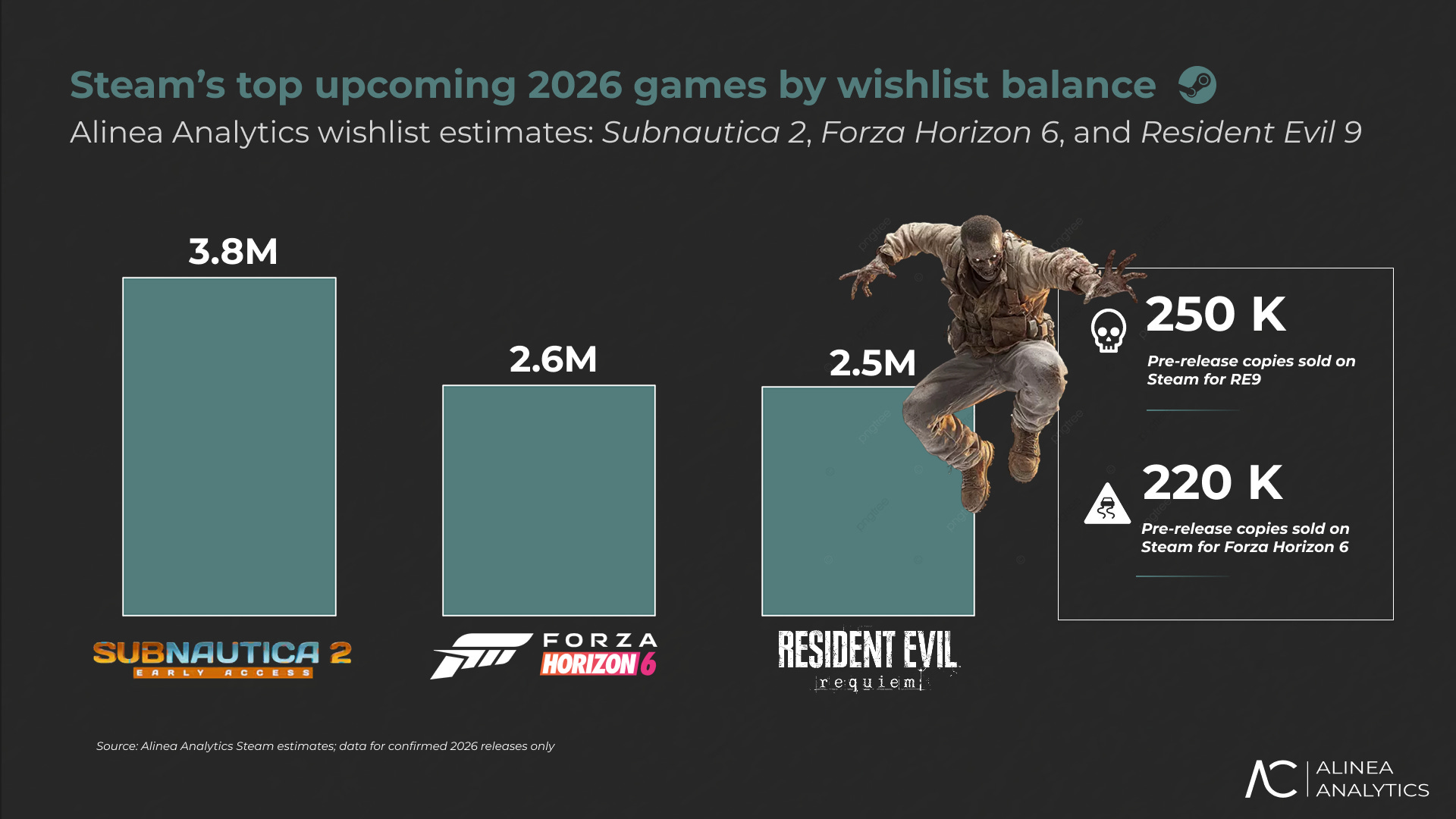

Steam S 2026 Overhaul 29 Sales Niche Festivals And The Death Of The Source Steams 2026 Overhaul 29 Sales Niche Festivals And The Death 22190845 . New Valve Hardware Revealed Steam Machine Steam Frame And More Are 1216xt . Top 5 New Steam Games Of March 2026 YouTube . The Top 2026 Games By Steam Wishlists By Rhys Elliott Fc2aa87f 2277 4294 9e7b 1920x1080 . STEAM FRAME Steam Controller Steam Machine Coming In 2026 Page 3 2 690x388
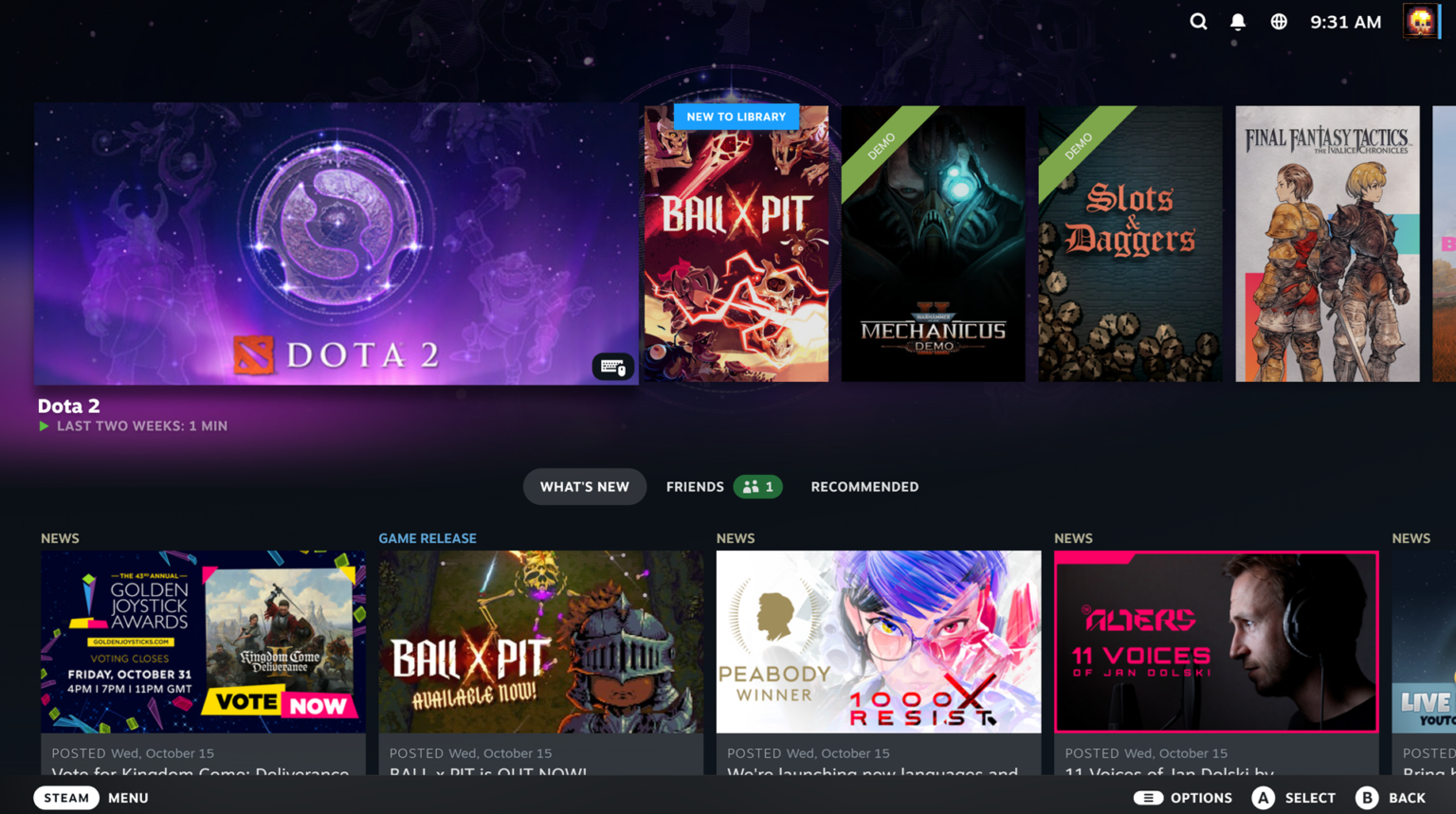


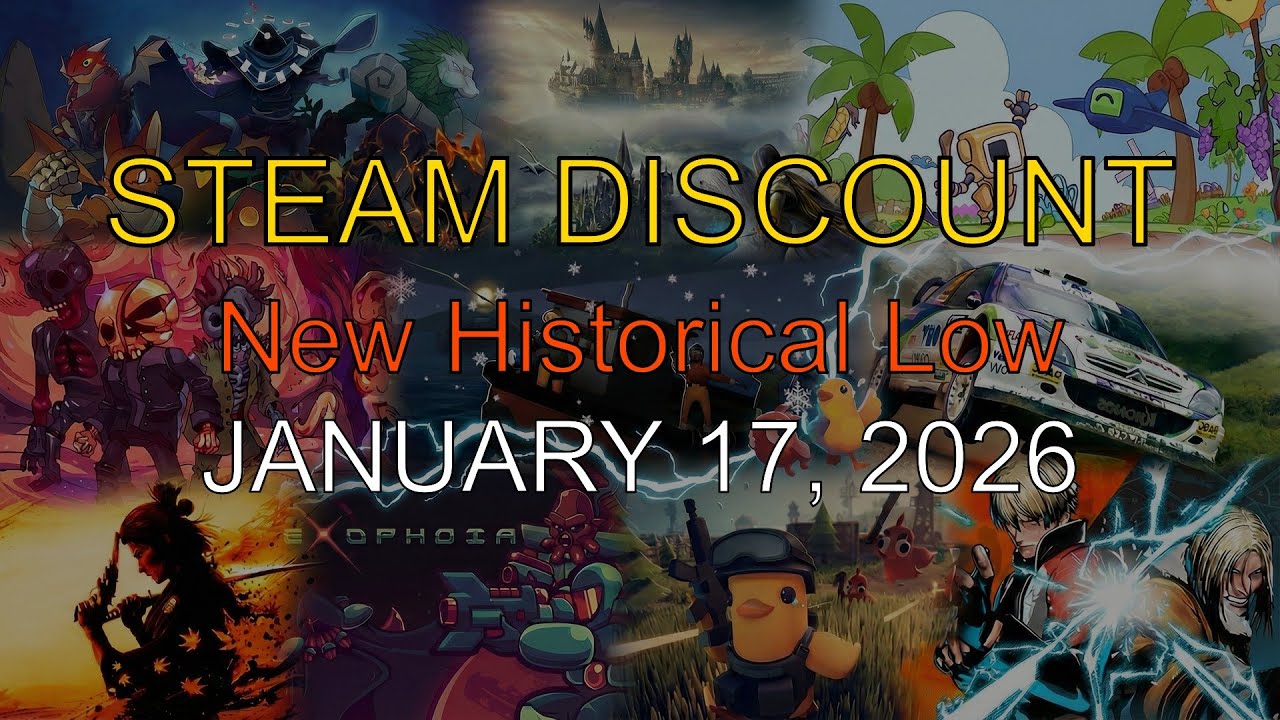
Valve S 2026 Hardware Push Everything We Know About The New Steam 1536x859 . Steam Game Releases 2026 Shake The PC Scene Republic Modern Media Resize.webp. Valve Responds To Steam Machine Delay Fears Confirms 2026 Release Window Steam Machine Release Date 2026 . 2026 1 17 FINALLY These Steam Games Just Hit New HISTORICAL LOWS . Valve Confirms Every Steam Sale Coming Our Way In 2026 2025 Steam Winter Sale Best Deals

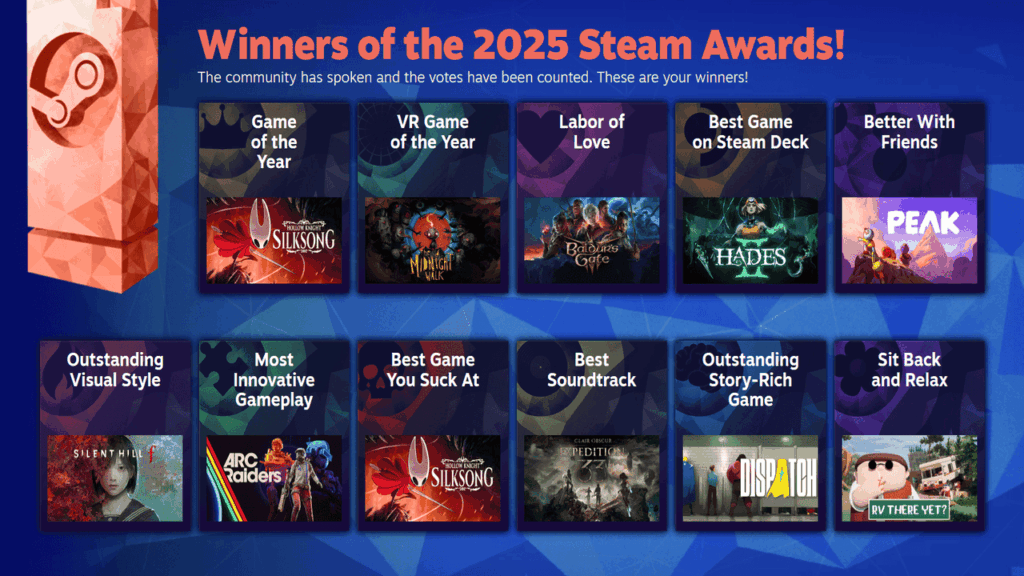
10 Much Awaited Games Set To Launch In 2026 Games To Launch 2026 1536x967 . 9 Big Things Steam Needs To Improve In 2026 . Steam Sales 2026 Official Dates And Schedule Steam Sales Festivals Calendar 2026 Banner . GDC 2026 Generative AI And The Rise Of Steam Deck Transform Gaming Featured Image 1024x585 . Rekomendasi Game Steam Spring Sale 2026 Wajib Beli Steam Awards 2025 Winners 1024x576


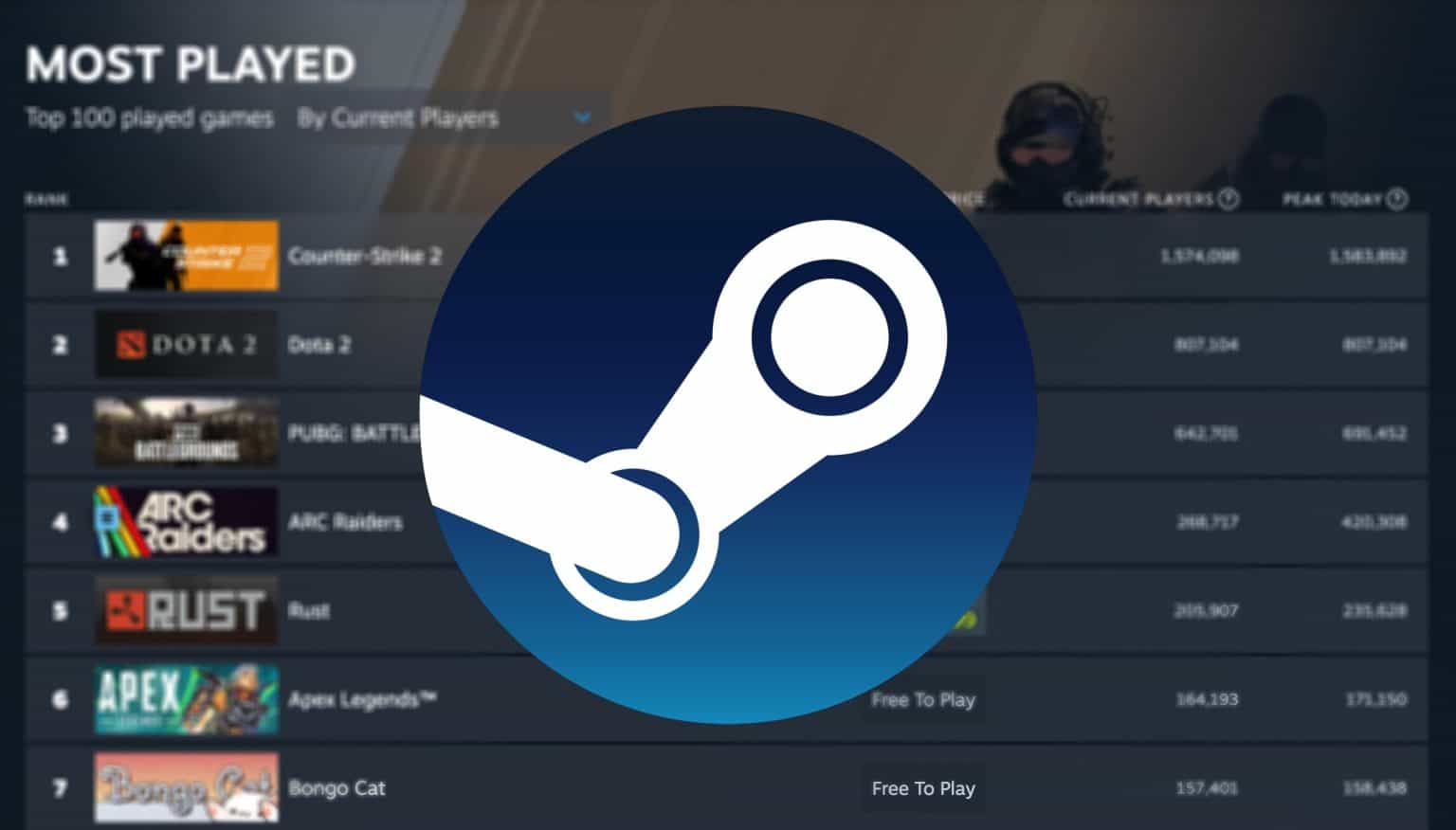


Steam Rings In 2026 By Breaking Player Count Records Once Again Steam Player Count Records January 2026 Storefront . 15 Best PC Games Of 2026 So Far Ranked Vibe List The 15 Best PC Games Of 2026 So Far And The Studios Surprises And Steam Records Behind Them 753x420 . Guide To Best Steam Space Game Options In 2026 Most Played Games Steam 2026 1536x876 . Steam Deck Announces Exciting New Video Game Console Set Steam Deck Announces Exciting New Video Game Console Set For 2026 Launch Gaming News Update . Best New 2026 Steam Games Screenshot 2026 01 29 At 12 54 55 Pm



Steam Game Of The Year 2026 Download Get Started Guide Th. Valve S 2026 Steam Controller Praised For Ergonomic Upgrades Th. All 2026 Steam Fest Dates You Should Watch Out For Gamer Org All 2026 Steam Fest Dates You Should Watch Out For 780x410 . How To Change Steam Region And Get Cheaper Games In 2026 How To Change Country On Steam 336x224 . 2026 Officially Gets Its First Must Play Steam Game Steam Mewgenics Gamerant Feature


How To Change Steam Region Change Steam Country In 2026 How To Change Steam Region 1500x900 . All 2026 Steam Fest Dates You Should Watch Out For Gamer Org All 2026 Steam Fest Dates You Should Watch Out For 3 . RI Game Changer Challenge Returns For 2026 EPIC Global Solutions EGS X RI Game Changer 2026 Landscape 1 . Steam Top Sellers Most Played Games The 2026 Starting Grid Steam Top Sellers Most Played Games The 2026 Starting Grid Techjuice 210459 153757 190x95 . Steam In 2026 Platform Guide User Stats New Hardware Steam In 2026 Platform Guide User Stats And New Hardware 300x150