Ever found yourself with an extra Steam game, perhaps a duplicate gift or a purchase for a friend who already owns it? It's a common dilemma for US gamers, especially with 87% playing regularly and averaging over 10 hours a week. With new titles dropping constantly and friend groups expanding across popular social gaming platforms, knowing how to manage your digital library efficiently is key. This comprehensive guide will navigate the often-confusing landscape of Steam's gifting policies, revealing the precise steps to take when you need to regift or get a refund for an unwanted game. We delve into Steam's official stances, explore legitimate workarounds, and offer smart strategies to ensure you always get value for your money. Discover how to avoid common pitfalls, optimize your gaming budget, and keep your friends happy without any awkward gaming faux pas. This resource is designed for the savvy pro gamer who values performance, efficiency, and smart spending in their digital world, helping you stay current with the latest gaming trends without unnecessary hype or financial strain. Get ready to master Steam gifting like a true expert.
Related games- GTA Searches: Navigating Content and Community
- How To Master Liminal Voyager Roblox Exploration Guide
- Ultimate Griddy Song Roblox ID Guide and Audio Codes 2024
- Complete Guide to All GTA V Weapons and Best Gear 2024
- GTA 6 Price Could Reach 100 Dollars According to Analyst
How to Regift Steam Game: Top 5 Natural Questions
Q1: Can I really regift a Steam game I already own?
A1: Unfortunately, no. Once a Steam game is activated on your account, it becomes permanently tied to that account and cannot be transferred or 'regifted' to another user. This policy is fundamental to Steam's digital rights management.
Q2: What should I do if a friend gifted me a Steam game I already have?
A2: The best course of action is to politely inform your friend and ask them to initiate a refund for the unredeemed gift through Steam Support. As long as it's within 14 days of purchase and you haven't activated it, a refund is typically possible.
Q3: Is there a way to trade Steam games with other players?
A3: Steam's trading system is primarily for in-game items and trading cards, not full game licenses. Direct game-for-game trading was largely phased out. For unwanted games, refunding (if eligible) or using unredeemed keys are your only safe options.
Q4: Can I refund a gifted Steam game if I accidentally accepted it?
A4: Yes, you can! If you've accepted a gifted game but haven't played it for more than two hours and it's within 14 days of acceptance, the recipient can initiate a refund request via Steam Support. The refund will go back to the original purchaser.
Q5: What's the safest way to give a Steam game without risking a duplicate?
A5: The safest methods are to either check your friend's public wishlist and library, communicate directly, or opt for a Steam Gift Card. Gift cards allow the recipient to choose exactly what they want, eliminating the duplicate risk entirely.
7 Expert FAQ-Style Questions for Savvy Gamers
Q: Why does Steam not allow direct regifting of activated games?
A: Steam's policy prevents direct regifting of activated games primarily to combat the resale of digital licenses on grey markets, ensure fair pricing, and maintain control over their digital distribution ecosystem. This protects both developers and Valve's business model from unauthorized transfers.
Q: Can I use Steam's refund policy for a game I bought for myself but now want to give to a friend?
A: Yes, if the game meets the refund criteria (less than two hours played, within 14 days of purchase), you can refund it. Once the funds return, you can then repurchase the game as a gift for your friend. This is a legitimate workaround to effectively 'regift' a self-purchase.
Q: What happens if I receive an unredeemed game key from a third-party site and my friend already owns it?
A: If the key is still unredeemed, you can give it to another friend who does not own the game. However, once a key is used, it's tied to an account. Exercise caution with third-party keys as their origins can be dubious and unsupported by Steam.
Q: Is there any difference in refund eligibility between a direct gift and a game bought with a gift card?
A: The refund eligibility for the game itself remains the same: less than two hours played and within 14 days. For a direct gift, the refund goes to the original purchaser. For a game bought with a gift card, the refund typically goes back as Steam Wallet credit to the purchaser's account.
Q: How can I ensure my Steam Wishlist is visible to friends for smarter gifting?
A: Go to your Steam profile, click 'Edit Profile', then 'Privacy Settings'. Ensure your 'Game Details' and 'Wishlist' are set to 'Public' or 'Friends Only'. Regularly update your wishlist to reflect your current interests and avoid unwanted gifts.
Q: What are the consequences if I try to sell an activated Steam game on a third-party site?
A: Attempting to sell an activated Steam game violates Steam's Subscriber Agreement and can lead to serious repercussions, including permanent account suspension or a ban. Such activities are not supported and carry significant risk to your Steam account integrity.
Q: Does Steam notify the original purchaser if their gifted game is refunded by the recipient?
A: Yes, Steam will notify the original purchaser that their gifted game has been refunded and the funds have been returned to their account. This ensures transparency in the refund process and helps both parties understand the transaction status.
Every gamer has been there. You excitedly buy a hot new title for your buddy, only to find out they already snagged it during a flash sale. Or maybe you received a game that just isn't your style. With US gamers spending significant time and money on their passion—an average of over 10 hours a week, and 60% of all Americans being active gamers—we're all looking for ways to maximize our gaming experience, avoid wasted purchases, and keep our digital libraries lean and relevant. Pro gamers, in particular, value efficiency and smart resource management, whether it's optimizing performance or ensuring every dollar spent adds real value. That's why understanding the ins and outs of how to regift a Steam game, or at least recover its value, is crucial. It is about more than just money; it is about respecting your time, your friends, and your love for gaming. This guide cuts through the confusion, offering clear, actionable steps to navigate Steam's gifting system, helping you handle those tricky duplicate gifts, unplayed titles, and ensure you always get the most out of your game purchases.
We will dive deep into Steam's official policies, uncover the legitimate pathways available to you, and equip you with the knowledge to make informed decisions. Forget the frustration of a wasted gift; it is time to turn those gaming blunders into savvy wins, keeping you updated with the latest trends and ensuring you're always ahead of the game.
Can You Directly Regift a Steam Game After It Has Been Activated?
The short answer is no, not directly. Once a Steam game has been purchased and activated on an account, it is permanently tied to that account. Steam's terms of service are quite clear on this: games are non-transferable after redemption. This policy helps prevent secondary markets for activated game keys and maintains the integrity of their digital distribution model. It is a common pain point for gamers who receive a duplicate or an uninteresting title, but understanding this fundamental rule is the first step in managing your Steam library effectively. While you cannot simply 'undo' an activation and send the game to someone else, there are still avenues to explore if you find yourself in this situation, primarily revolving around refunds for unredeemed gifts.
What are Steam's Official Policies Regarding Gifting and Refunds?
Steam has a well-defined refund policy that, while strict, offers a lifeline in certain gifting scenarios. For games, you can request a refund if you have played the game for less than two hours and it has been less than 14 days since the purchase. However, the rules for gifts are slightly different. An unredeemed gift can be refunded by the original purchaser within 14 days of purchase, provided the recipient has not yet accepted or activated the game. If the gift has been accepted but not yet activated, the refund can still be processed if it meets the two-hour gameplay and 14-day ownership criteria, but the refund will go back to the original purchaser. This system aims to protect both the giver and receiver while maintaining a fair marketplace.
How Can I Get a Refund for an Unredeemed Steam Game Gift?
Getting a refund for an unredeemed Steam gift is straightforward, provided you act quickly. The original purchaser must initiate the refund request. They should go to their Steam account, navigate to 'Help' > 'Steam Support', then find the specific game purchase in their transaction history. From there, they can select the option to request a refund, specifying that it was an unredeemed gift. As long as the game has not been accepted by the recipient and it is within the 14-day purchase window, the refund should be processed without issue. The funds will be returned to the original payment method. This process is your primary method for dealing with unwanted gifts before they become permanently tied to an account.
What If a Gifted Game Was Accidentally Accepted but Not Played?
Even if a gift has been accepted by the recipient, there is still a window for a refund if it meets Steam's standard refund criteria. The recipient must not have played the game for more than two hours, and the request must be made within 14 days of the gift's acceptance. In this scenario, the recipient can initiate the refund request through their own Steam Support page, explaining that it was an unwanted gift. The refund, if approved, will still be issued to the original purchaser's account. This highlights the importance of open communication between friends about game preferences and existing libraries to prevent such situations in the first place, aligning with the social gaming trends where transparent communication is key among US gamers, many of whom are 36 and older and appreciate directness.
Is There a Steam Trading System for Games I Cannot Regift?
Steam previously had a direct game trading system, but that feature was largely phased out for individual game titles years ago to combat issues with fraudulent keys and gray markets. Today, Steam's trading functionality is primarily focused on in-game items, such as cosmetics or trading cards, and does not extend to full game titles. This means you cannot 'trade' an unwanted game key or license to another player directly through Steam's platform. This change was implemented to enhance security and streamline the gifting process to its current form. While frustrating for those with unredeemed keys, it emphasizes the need to be certain about gift purchases or to opt for refunding before acceptance.
What are the Best Practices for Avoiding Duplicate or Unwanted Steam Gifts?
Preventing duplicate or unwanted gifts saves everyone hassle and money. Here are some pro gamer tips:
Use Wishlists Aggressively: Encourage friends and family to maintain an up-to-date Steam Wishlist. It is the clearest indicator of what someone wants and already owns. Many pro gamers strategically use wishlists to track upcoming titles or sales for games they genuinely want to play.
Communicate Directly: A quick text or chat can prevent a lot of headaches. Simply ask, 'Hey, were you looking to get [Game Title]?' or 'Do you already own [Game Title]?' This is especially relevant for older gamers who value direct communication and efficiency.
Check Their Library (If Public): If your friend's Steam profile is public, you can often quickly check their game library to see if they already own a title. This is a quick workaround if you cannot communicate directly.
Consider Steam Gift Cards: When in doubt, a Steam Gift Card is always a safe bet. It gives the recipient the freedom to choose any game they want, ensuring they get something they truly desire and can use. This aligns with the value-for-money mindset common among experienced gamers.
Bundle Awareness: Be mindful of game bundles. Sometimes friends might get a game you wanted to gift them through a cheap bundle, making your individual gift redundant.
How Do Steam Gift Cards Factor into Regifting or Unwanted Gifts?
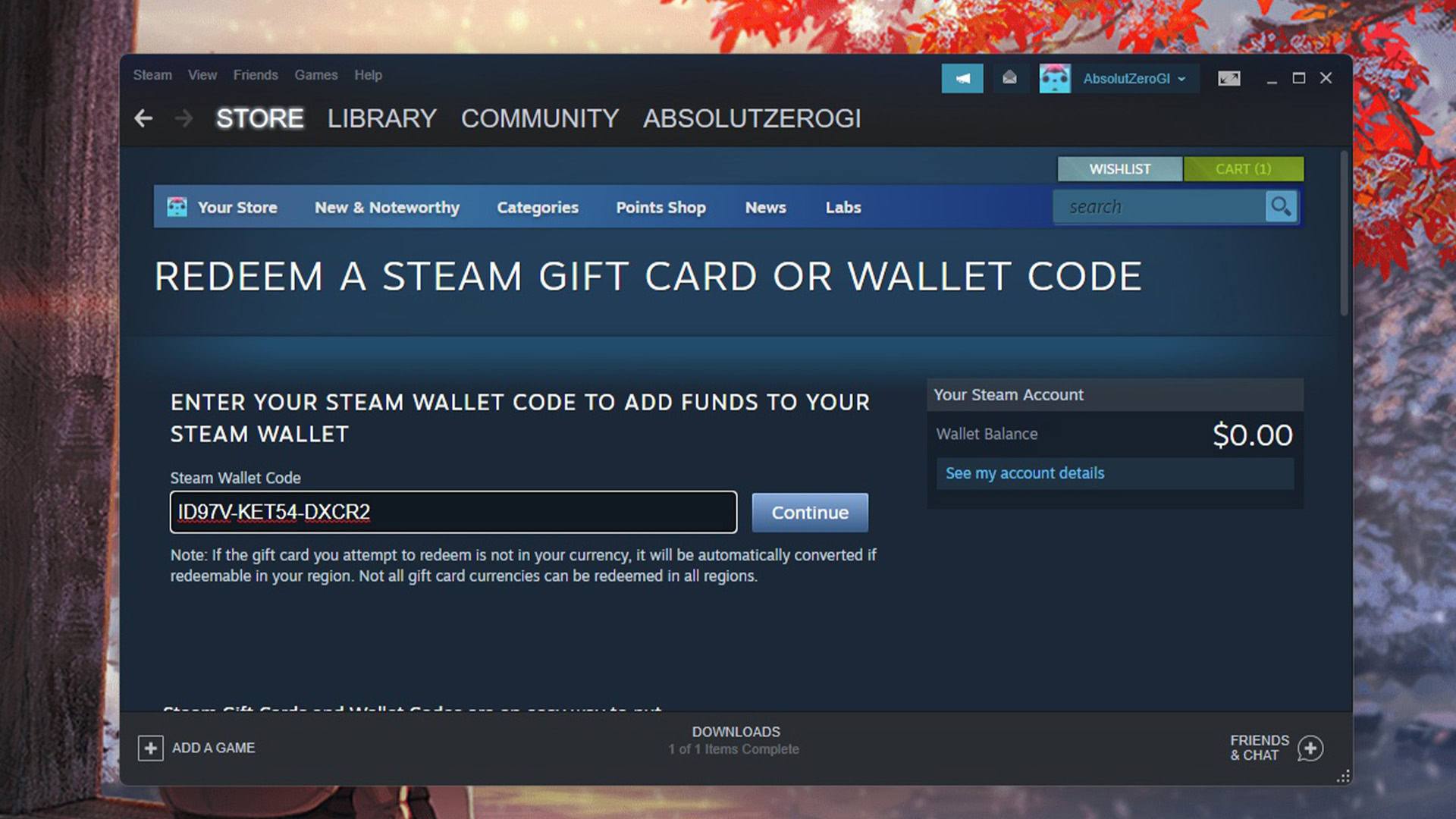
Steam Gift Cards are the ultimate solution for flexibility and avoiding regifting dilemmas. When you purchase a Steam Gift Card, you are essentially giving store credit. This credit can be redeemed by the recipient for any game, software, or item available on the Steam store. This completely bypasses the 'regifting' problem because the original 'gift' (the card) holds universal value on the platform. If a recipient receives a physical or digital Steam Gift Card they do not want, they usually cannot 'refund' the card itself once activated, but they are free to spend it on something they truly desire, ensuring no value is lost. This makes gift cards an excellent choice for pro gamers and casual players alike who want control over their purchases and appreciate smart spending.
Are There Any Legitimate Third-Party Solutions for Trading or Selling Unwanted Steam Games?
For *unredeemed* game keys (not activated games), there are some grey-market third-party sites that facilitate trading or selling. However, extreme caution is advised. Many of these platforms carry significant risks, including fraudulent keys, revoked purchases, and potential account bans from Steam if their terms of service are violated. Steam itself does not endorse or support these platforms for game key trading. For *activated* games, there are no legitimate third-party solutions as the game is permanently tied to a Steam account. It is generally recommended to stick to Steam's official refund policy for unredeemed gifts rather than venturing into risky third-party marketplaces. The security of your Steam account and personal information should always be paramount.
What Happens if I Try to Activate a Duplicate Game Key on Steam?
If you already own a game on Steam and attempt to activate another key for the same game, Steam will simply inform you that you already own the title. The key will not be consumed or added to your library a second time. This means if you have an extra key for a game you already own, it remains unused. This scenario often leads to the desire to 'regift' the unused key. You can then give that unused key to a friend who does not own the game, making it the closest thing to a direct regift possible, but only if the key has never been redeemed on any account previously. This is a common situation for pro gamers who participate in bundles or receive multiple review copies of games.
Can I Refund a Game I Bought for Myself to 'Regift' it to a Friend?
Yes, if the game you bought for yourself meets Steam's standard refund criteria (less than two hours played, less than 14 days since purchase), you can refund it. Once the refund is processed and the money is back in your account, you can then repurchase the game as a gift for your friend. This is not a direct 'regift' in the sense of transferring the license, but rather a refund and a new purchase, effectively achieving the same outcome. This method is perfectly legitimate and a smart way to correct a mistaken purchase, showcasing the value of understanding Steam's refund mechanics for optimal financial management.
How Do Popular Gaming Trends Affect Gifting Practices on Steam?
Current gaming trends significantly influence how we approach gifting. With the rise of free-to-play titles, esports, and battle passes, traditional game purchases are sometimes supplemented by in-game currency or seasonal passes. Social gaming continues to dominate, with 87% of US gamers regularly engaging with others online. This means knowing a friend's current gaming habits and what they already own or are investing in (e.g., a specific battle pass) is more important than ever. Gifting a full-price game when they are focused on a free-to-play title with microtransactions might not be the most effective use of funds. Gift cards or direct communication become even more valuable in this dynamic landscape, aligning with pro gamers' focus on staying current without unnecessary hype.
Summary: Navigating Steam Gifting for Smart Gamers
Understanding how to manage Steam gifts efficiently is a valuable skill for any gamer. While direct 'regifting' of an activated game is not possible, Steam provides clear pathways for refunds of unredeemed or minimally played gifts. The key takeaways include acting quickly, leveraging Steam's refund policy, and preventing issues through clear communication, wishlists, and considering Steam Gift Cards as versatile alternatives. By focusing on these strategies, you can ensure your gaming investments are always well-spent and your digital library is optimized, aligning with the values of pro gamers who prioritize value, performance, and a hassle-free experience. Stay sharp, game smart, and keep your friends happy without the gift-giving guesswork.
FAQ Section
Can I give a Steam game I already own to a friend?
No, once a Steam game is activated on your account, it's permanently tied to it and cannot be transferred or gifted to another user. Steam's policies prevent the direct regifting of owned and activated titles.
What if I received a duplicate Steam game as a gift?
If the gift is unredeemed, the original purchaser can request a refund within 14 days. If accepted but unplayed (less than 2 hours), the recipient can also initiate a refund for the purchaser. Communicate with the giver immediately.
Are Steam game keys transferable?
Only if they are unredeemed. An unused Steam game key can be given to someone else. Once activated on any Steam account, the game is permanently linked and the key is consumed.
Can I exchange a Steam game I do not want for another one?
Steam does not have a direct exchange program for games. Your best option is to refund the game (if eligible) and then use the refunded funds to purchase a different game you desire.
How long do I have to refund a gifted game on Steam?
The original purchaser has 14 days from the purchase date to refund an unredeemed gift. If the gift was accepted, both the 14-day window from acceptance and less than two hours of gameplay apply for a refund.
Steam gifting policies understanding, Refund process for unredeemed gifts, Avoiding duplicate game purchases, Steam gift card usage for flexibility, Trading alternatives for unwanted games, Maximizing value for game purchases
35


Guide How To Gift Steam Games To Friends And Family . How To Gift A Steam Game Screenshot 4 24 . How To Gift A Steam Game Screenshot 3 25 768x517 . So Verschenken Sie Ein Steam Spiel 5 11 . How To Gift A Steam Game Make Tech Easier Steam Game Gift Select Friend Gift Card
:max_bytes(150000):strip_icc()/steam-gift-cards-c0c34c0748fe4bc9b1921b80b642f750.png)


Guide How To Gift Steam Games To Friends And Family Steam Gift Cards . Guide How To Gift Steam Games To Friends And Family . How To Gift A Steam Game 6 13 768x604 . How To Gift Games On Steam Full Guide YouTube . Guide How To Gift Steam Games To Friends And Family


How To Gift Games You Already Own On Steam 2026 Updated Tutorial . Steam Gift Cards What They Are And How They Work Android Authority Steam Games Redeem Gift Card 1000w 563h . Guide How To Gift Steam Games To Friends And Family Screen Shot 2022 11 15 At 10.20.36 AM 768x606 . Gift Games On Steam You Already Own At Adrienne Maldonado Blog Respond To Gift . Guide How To Gift Steam Games To Friends And Family Steam Sale Schedule 2026 08 27 2025 7c35051e 2c22 4093 96f1


Guide How To Gift Steam Games To Friends And Family . Guide How To Gift Steam Games To Friends And Family Steam Client Mar 2026 . How To Refund A Gifted Game In Steam Easy Fix YouTube . Are Free Game Codes For Steam Real Discover The Truth Redeem Steam Wallet Code 2 . Guide How To Gift Steam Games To Friends And Family Steam Gift Card Guide Scaled



Guide How To Gift Steam Games To Friends And Family . Guide How To Gift Steam Games To Friends And Family All Steam Events 2026. Guide How To Gift Steam Games To Friends And Family Steam Awards 2025 Winners 1024x576 . Steam Users Have 3 Games To Claim Right Now Completely Free In 2026 Steam Free Games Right Now June 2026 . Guide How To Gift Steam Games To Friends And Family All Steam Events 2026 1.webp


Steam 2026 Game Propaganda Steam V 2026 Godu Chto Izmenilos V Platforme I Kak Pokupat Igry Vygodno 600x338 . Guide How To Gift Steam Games To Friends And Family 2026 Upcoming Games Release Dates . Steam Next Fest 2026 Date Best Demos What To Expect Banners 2026 02 . Steam Summer Sale 2026 Diskon Game PC Hingga 95 Telset Id Image. Guide To Best Steam Space Game Options In 2026 Most Played Games Steam 2026 1536x876




Kalender Lengkap Event Steam 2026 Diskon Besar Dan Festival Game Favorit Steam Events 2 Q82 W2560 H 74ce0.webp. How To Gift Games On Steam 2026 Step By Step Guide YouTube . Valve Has Revealed All Steam Sale Event Dates For 2026 Steam Tererowa Game Rant . How To See How Much You Spent On Steam In 2026 How To See How Much You Spent On Steam 1.webp. How To Use A Steam Wallet Code 2026 Guide Lotkeys Lotkeys Blog Steam Xr9p .webp