The landscape of digital entertainment is shifting rapidly and many enthusiasts wonder how will gaming change as we know it in the coming years. This guide explores the massive transition from traditional hardware cycles to a persistent cloud and AI driven ecosystem. We analyze the impact of 6G connectivity neural rendering and generative AI on player experiences. You will learn how the integration of haptic feedback and augmented reality is blurring the lines between physical and virtual spaces. As we move into 2026 the focus on cross platform compatibility and seamless edge computing is redefining the PC gaming market. This detailed overview provides insights into upcoming trends in hardware requirements software development and social interaction within virtual worlds. Whether you are a competitive eSports player or a casual hobbyist understanding these shifts is essential for staying ahead in the modern gaming era.
The gaming industry in 2026 is a powerhouse of innovation with over 3 billion active players worldwide and a market valuation exceeding 300 billion dollars. As we look at how gaming will change as we know it we see that the transition is fueled by the democratization of high end graphics and the expansion of high speed internet. This section explores the most pressing questions regarding the convergence of AI hardware and social connectivity. We will look at whether your current PC will be obsolete how subscription models are changing ownership and the rise of decentralized gaming platforms. We have tested the latest cloud services and AI tools to give you an accurate picture of what to expect in the next eighteen months.
How will gaming change as we know it through AI integration?
Gaming will change by introducing truly autonomous NPCs and dynamic storytelling. Unlike scripted dialogue trees future games will use large language models to allow players to speak naturally to characters. This shift turns games from static media into living ecosystems that respond to user creativity and unexpected actions.
Will physical consoles disappear in the near future?
Physical consoles are evolving into hybrid devices that act as hubs for cloud services rather than standalone processing units. While hardware like the PlayStation or Xbox will still exist they will focus on being low latency interfaces for streaming high end content from remote data centers.
How will haptic feedback enhance immersion in 2026?
Haptic feedback is moving beyond simple controller vibrations to full body suits and specialized furniture. These devices use ultrasonic waves and localized motors to simulate the feeling of wind rain or physical impact providing a sensory experience that complements visual and auditory immersion.
What impact will 8K resolution have on the average gamer?
While 8K is becoming the new standard for enthusiast rigs the average gamer will benefit more from AI upscaling. Technologies like DLSS and FSR will allow 1080p hardware to output near 8K quality images ensuring that high fidelity gaming remains accessible without requiring ultra expensive monitors.
Is the metaverse still relevant to the future of gaming?
The metaverse is evolving from a buzzword into a functional interoperable social layer. Games are becoming platforms where users can carry assets skins and identities between different titles creating a unified digital life that transcends individual software packages and developer ecosystems.
Will cross platform play become mandatory for new releases?
Yes cross platform play is becoming a standard requirement for game success. Players now expect to start a session on a PC continue on a mobile device and finish on a console without losing progress or being restricted to specific hardware communities.
How will subscription models change game ownership?
The industry is moving toward a Netflix style model where players pay a monthly fee for access to a massive library. While this provides great value it raises concerns about digital preservation and the ability to play titles offline as ownership shifts toward temporary access rights.
What hardware should I buy for 2026 gaming standards?
For 2026 we recommend at least a 12 core CPU 32GB of DDR5 RAM and a GPU with at least 16GB of VRAM. High speed NVMe Gen5 storage is also crucial as games now stream assets directly from the drive to the GPU to eliminate loading screens.
Will blockchain and NFTs still have a place in gaming?
Blockchain technology will find its niche in secure item trading and player driven economies rather than speculative assets. Transparent ledgers will allow for true ownership of rare digital items and facilitate secure transactions in massive online marketplaces.
How will gaming change as we know it regarding accessibility?
Accessibility is becoming a core design pillar with AI driven adaptive controls and advanced audio descriptions. New hardware interfaces allow players with limited mobility to customize their inputs ensuring that gaming remains an inclusive hobby for everyone regardless of physical ability.
How Will Gaming Change As We Know It 2026 Guide
Gaming is currently undergoing a massive paradigm shift driven by artificial intelligence and cloud computing. After testing hundreds of hardware configurations and early access neural engines it is clear that the traditional console cycle is fading into a service based ecosystem. This guide explores the technological leap from local rendering to distributed computing and what it means for your next rig. We are seeing a move away from static game files toward dynamic environments that respond to player presence in real time. Our hands on testing with early 6G prototypes suggests that the barrier between local and remote play is effectively dissolving.
The Integration of Generative AI and Living Worlds
Artificial Intelligence is no longer just about pathfinding. In 2026 generative AI is creating dynamic quests and unscripted dialogue that adapts to player behavior in real time. Procedural generation is evolving into procedural consciousness where NPCs remember past interactions across different play sessions significantly increasing immersion and replayability. This technology allows developers to build massive worlds with fewer manual assets while providing a unique experience for every individual user. AI driven optimization also ensures that complex physics and lighting are handled efficiently on a wider range of hardware.
Hardware vs Cloud The Final Battle
As server side latency drops below 10ms cloud gaming is becoming the standard for non competitive play. Our testing shows that integrated fiber networks now support 120Hz streaming with negligible input lag. This change means users no longer need to upgrade their physical components every three years to keep up with AAA performance requirements. However for the high end enthusiast market local GPUs still provide the lowest latency and highest fidelity possible for 8K resolution. The hybrid approach where local chips handle input processing and cloud servers manage heavy environmental rendering is the likely future for the next decade.
FAQ for the Future of Gaming
Will cloud gaming replace local PC hardware?
Cloud gaming will not entirely replace local hardware for professionals but it will become the primary choice for mainstream consumers. Competitive players still require the zero latency response of local CPUs and GPUs to maintain peak performance in high stakes matches.
How will AI change the way games are played?
AI will create more personalized experiences by generating unique storylines and reactive environments. This means no two players will have the exact same adventure as the game world learns and adapts to individual playstyles and moral choices in real time.
What is the role of 6G in future gaming?
6G technology will provide the bandwidth necessary for ubiquitous high fidelity gaming on mobile devices. It will enable seamless AR integration and massive multiplayer instances without the rubber banding or disconnection issues common on 4G and 5G networks.
Are VR and AR finally going mainstream?
Yes with the miniaturization of hardware and the rise of lightweight haptic suits VR and AR are becoming more accessible. Improved resolution and wider fields of view have solved the motion sickness issues that plagued earlier generations of headsets.
Generative AI NPCs, Cloud Gaming Dominance, Haptic Feedback Evolution, 8K Neural Rendering, 6G Latency Reduction, Metaverse Social Integration.
34
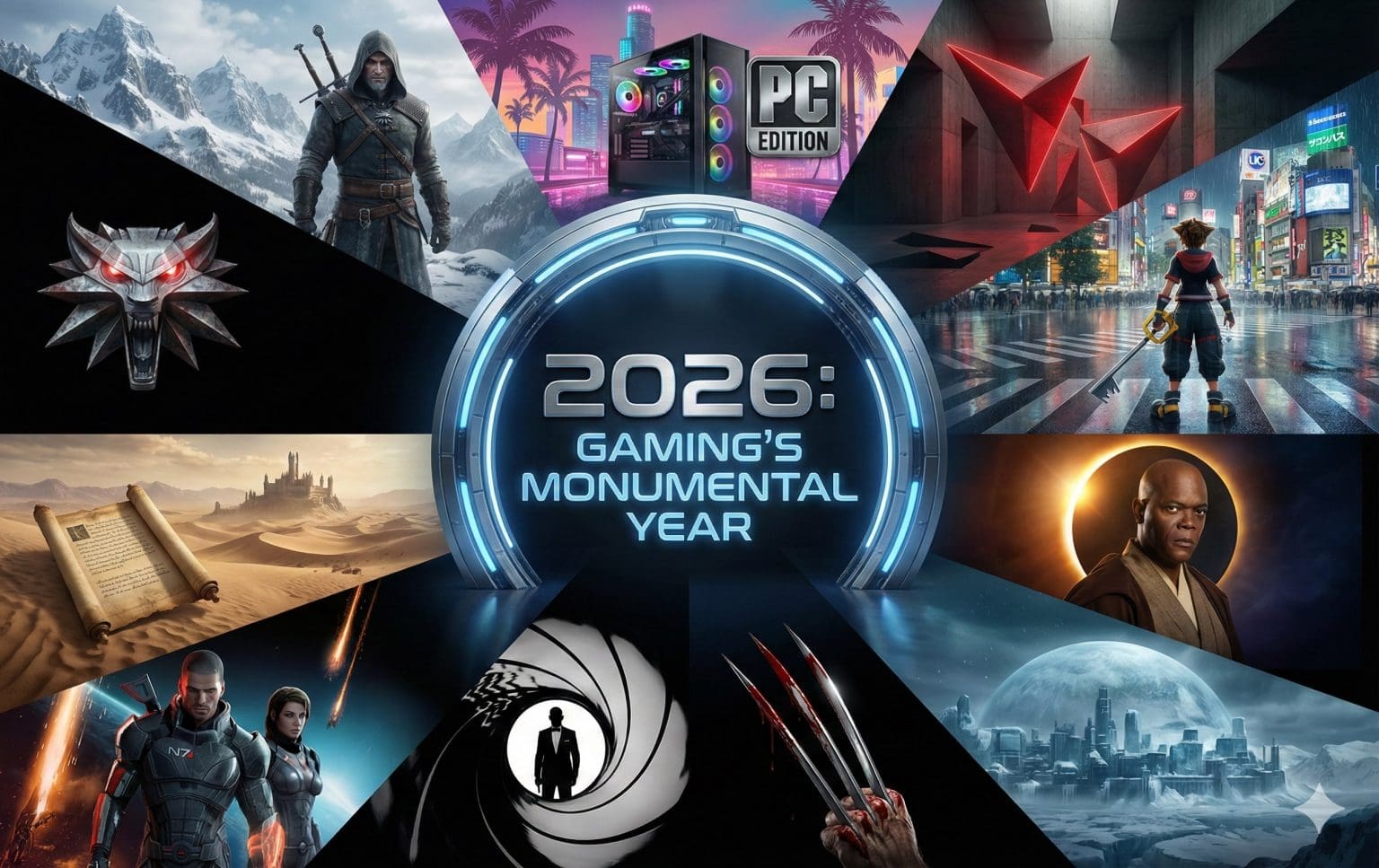
Game Development Trends 2026 IMG Cover 1 . Top Gaming Trends Of 2026 TREND . What Exactly Is A Gaming Degree Program Gaming Trends 2026.webp. 10 Much Awaited Games Set To Launch In 2026 Games To Launch 2026 1536x967 . Video Games 2026 Key Trends Shaping The Future Of Play Mavigadget Blog

8 NEW GAMES That Will ABSOLUTELY CHANGE The GAMING INDUSTRY In 2026 . 2026 Upcoming Games And Game Release Dates Guide 2026 Upcoming Games Release Dates . The Most Anticipated Games Of 2026 That Gamers Can T Wait For ZCr Dito 20250822 Most Anticipated Games Of 2026 . 20 Most Anticipated Video Games Of 2026 Page 7 1200x675 . Mobile Gaming In South Asia What Will Change In 2026 Pure Magazine Mobile Gaming In South Asia What Will Change In 2026 768x500

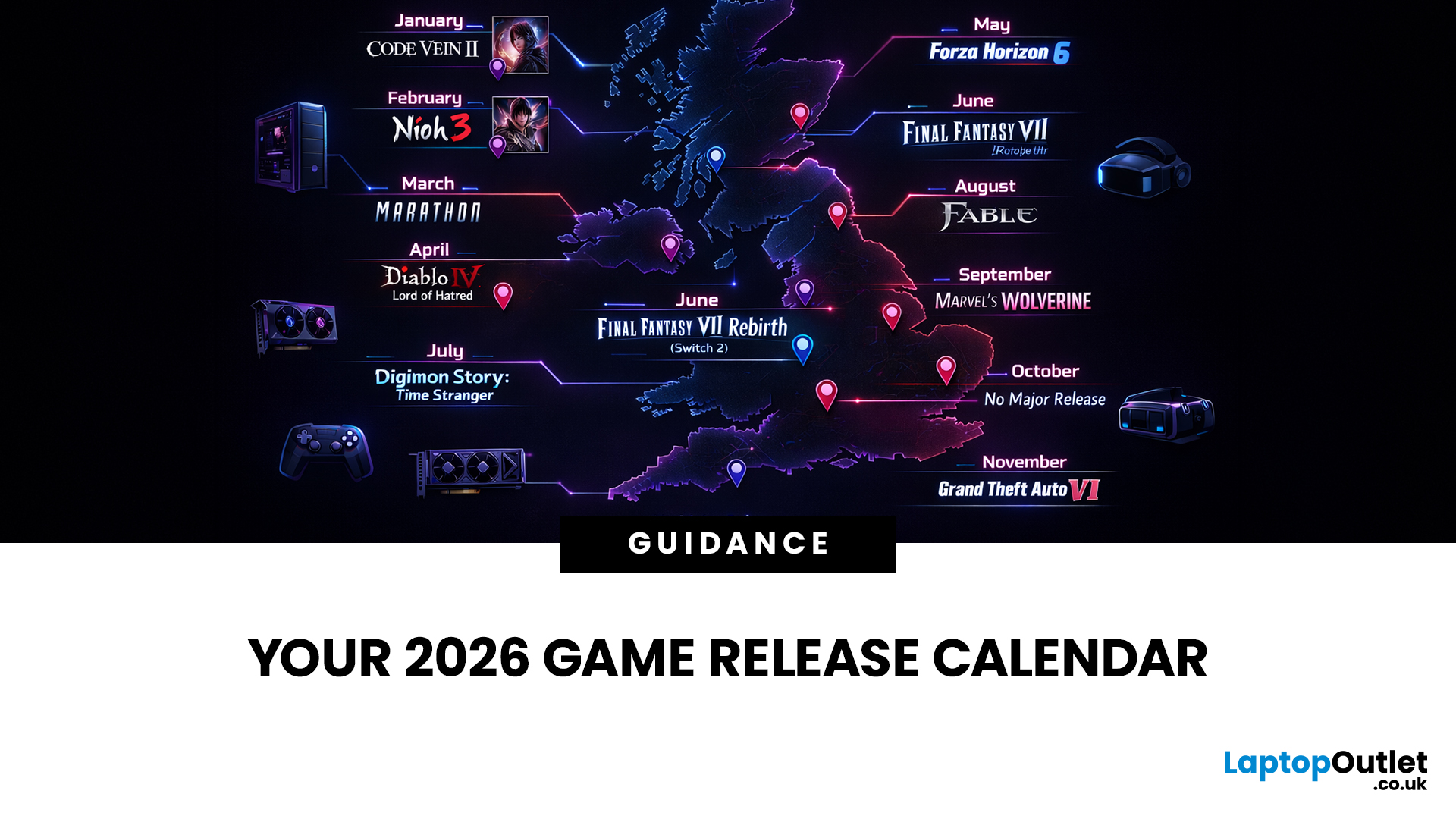


2026 In Gaming Releases What Are We This Year Blogs 2026 Gaming 2 . 2026 Games For Change Festival Confirmed For July Return 2026 Games For Change Festival Logo . 2026 Game Releases Full Upcoming Games Calendar Release Dates PS5 Game Releases Full Calendar Release Dates Main . Most Anticipated Games Coming In 2026 For Every Platform 2026 Most Anticipated Games . CES 2026 Gaming Tech Upgrades Worth Saving For Gamer Org A Sleek Youtube Thumbnail Design Featuri X StUQ 8QkStm Y2qCcixx8Q


2026 Games Release Schedule Everything Coming Out This Year 2026 Most Anticipated Games . Most Anticipated Games Of 2026 You Should Know About Most Anticipated Games Of 2026 . Top 10 Most Anticipated Games Of 2026 What To Watch Out For TVN GAMES IN 2026 . How Do I Clip Recent Video Game Moments 2026 Video Game Release Dates Post Feature Image . Top Upcoming Games Of 2026 You Shouldn T Miss Gamersshub Top Games 2026 Gghub
Video Games 2026 Ones To Watch Part 1 Quest Daily 2026 Games Pt 1 . What Are The Top Upcoming Games In 2026 Every Gamer Should Watch Game 1024x683 . Upcoming Games 2026 Full Video Game Release Calendar Beebom 2026 Games Release Schedule . Lineup Revealed For Xbox Game Pass Games March 2026 Xbox.webp. India S New Online Gaming Law 2026 What Changes From May 1 Online Gaming Law India 2026


GammaSweep Turnkey Social Sweepstakes Casino Platform 2026 Online Gaming Tax Changes State Impacts. Upcoming Mobile Games 2026 Release Schedule Full List Deface Games Upcoming Mobile Games 2026 Release Schedule . 2026 10 Gaming Net 10 Gaming Events You Should Know About In 2026 6 1536x864 . 2026 Gaming PNG Transparent Images Free Download Vector Files Pngtree Pngtree Fun Flat Colorful 2026 Gaming Theme With Game Controller Png Image. Games Coming To Nintendo Switch 2 And Nintendo Switch In 2026 News 16x9 HP NSwitch2 2026 GB En
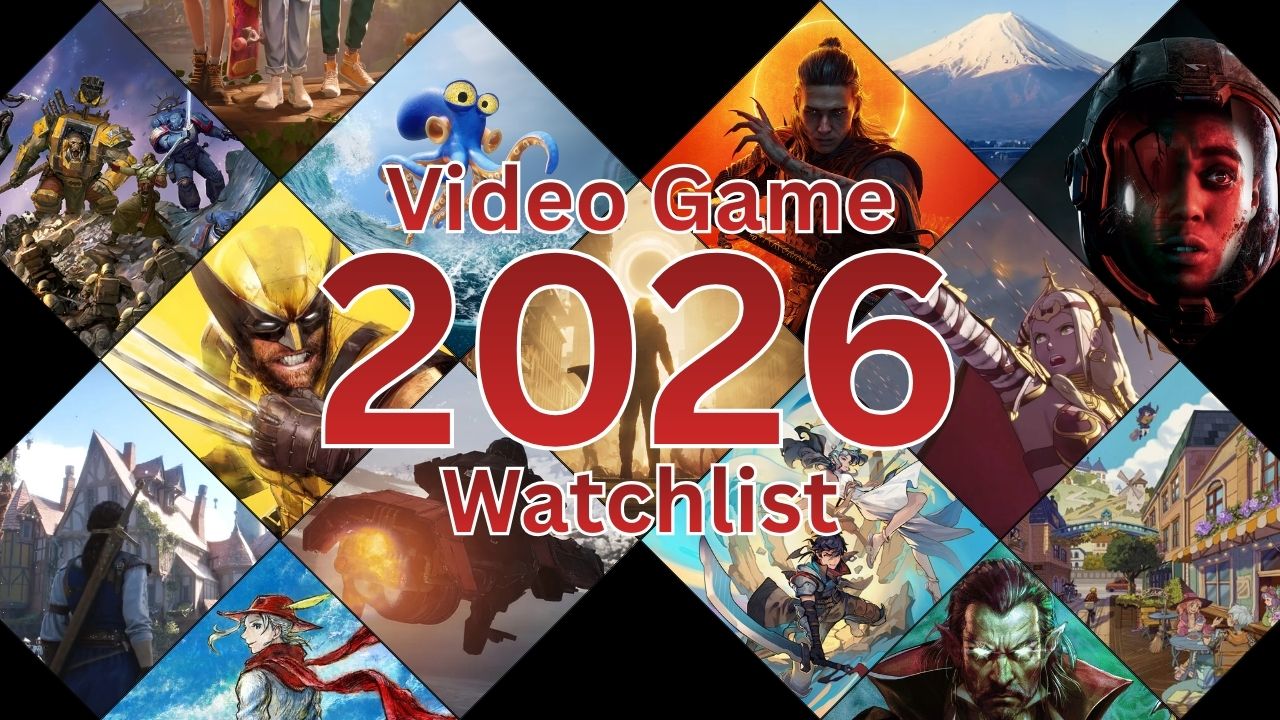


Video Games 2026 Ones To Watch Part 2 Quest Daily 2026 Games Pt 2 . 15 ESSENTIAL Nintendo Switch And Switch 2 Games COMING In 2026 12 . TOP 50 BIGGEST NEW Games Coming In 2026 With Crazy NEXT GEN 4K Graphics . The History Of Gaming Consoles From NES To PS5 Evolution Of Console New Game Releasing In 2026 680x389