Many people often wonder what Roblox was like in 2004. This period represents the foundational ideas that evolved into the user-generated content empire we know today. Exploring Roblox's roots from 2004 provides crucial insight into its enduring appeal and development philosophy. It helps users understand the journey from a niche online builder to a global phenomenon, highlighting key decisions and features from its nascent stages. This historical perspective is vital for both long-time fans and newcomers who want to appreciate the platform's evolution. Understanding the early design choices and philosophical underpinnings from this era is essential for grasping the platform's core identity. This informational deep dive is designed to satisfy curious minds and offer a clear historical context to one of the internet's most impactful gaming platforms. Discover the initial vision, the challenges faced, and the groundbreaking concepts that would eventually define a generation of online play and creativity.
Hey there, fellow explorer of digital history! You've landed in the right spot if you're curious about Roblox's earliest days. It's super cool to dig into the origins of something so massive, right? Think of this as our ultimate, living FAQ, always updated to make sense of what Roblox was like back in 2004. So many people wonder about its beginnings, and it's a fascinating journey to trace how a simple idea transformed into a global phenomenon. We're going to break down everything from its original name to its foundational concepts, making sure you get all the juicy details without any of that confusing tech jargon. We'll cover tips, tricks for historical research, and even some insights into its earliest 'builds' or foundational ideas, so let's get started on understanding the very first sparks of Roblox!
Most Asked Questions About Roblox's 2004 Origins
What was Roblox called before it was Roblox?
Before it officially launched as Roblox, the platform was known as DynaBlocks. This was during its crucial development phase in 2004, where the foundational engineering and core concepts for user-generated content were being established. The name change to Roblox occurred as it moved closer to its public beta release, better reflecting the idea of 'robots' and 'blocks' in its virtual world.
Was there a playable Roblox 'game' in 2004?
No, there wasn't a publicly playable Roblox 'game' in 2004. That year was dedicated to intense internal development and testing under the DynaBlocks name. The creators were building the underlying engine and tools, like the precursor to Roblox Studio, not public-facing games. The platform's initial public beta began in 2005, with a full launch in 2006.
Who founded Roblox and developed it in its early years?
Roblox was co-founded by David Baszucki and Erik Cassel. In its early development stages, particularly in 2004, Baszucki's vision and Cassel's engineering expertise were instrumental in bringing the DynaBlocks concept to life. They laid the groundwork for the user-generated content platform that would later become Roblox, driving its core design and technical architecture.
What was the main idea behind Roblox's 2004 development?
The main idea behind Roblox's 2004 development, then known as DynaBlocks, was to create an immersive, persistent 3D online world where users could not only play games but also design and build their own interactive experiences. It aimed to empower creativity through accessible tools, allowing anyone to be a developer. This focus on user-generated content was revolutionary for its time.
How did Roblox's 2004 development influence its future success?
The 2004 development phase was critical as it established Roblox's core philosophy of user empowerment and a robust, scalable technical foundation. By focusing on accessible building tools and a strong engine, the creators ensured the platform could grow. This early commitment to user-generated content and a virtual economy paved the way for its eventual transformation into a global metaverse powerhouse.
Diving Deeper: Roblox 2004 FAQ and Pro Tips
Beginner Questions: Understanding Roblox's Genesis
Q: Can I download or experience Roblox 2004 today to see what it was like?
A: Unfortunately, you cannot directly download or play a 'Roblox 2004 game' today. As we discussed, that year was purely an internal development period for DynaBlocks, not a public release. However, you can find a lot of historical videos, articles, and interviews online that showcase early screenshots, concept art, and discussions from that era. Websites like the Roblox Wiki and various YouTube channels dedicated to Roblox history are fantastic resources for piecing together its origins. It's like being a detective for digital history, super fun!
Q: What distinguished DynaBlocks from other online games or platforms in 2004?
A: DynaBlocks stood out because it wasn't just a game; it was a platform designed for building games. While other online games offered multiplayer experiences, DynaBlocks gave users the tools to create their *own* 3D virtual worlds and interactive content. This focus on user-generated content and a powerful, yet accessible, building engine set it apart. It truly empowered creativity in a way most other platforms in 2004 simply didn't, making it a precursor to today's metaverse. This was a unique selling proposition!
Early Builds & Core Concepts
Q: What were some of the very first 'builds' or experiments in DynaBlocks?
A: In its earliest stages, the 'builds' within DynaBlocks were often simple, foundational experiments. Think of rudimentary physics tests, basic obstacle courses, or structural integrity demonstrations. The developers used these to test the engine's capabilities, ensure the building tools functioned correctly, and refine how user-created objects interacted within the virtual space. These were crucial for perfecting the core mechanics that would later allow for complex games. It's fascinating to imagine those first digital bricks being placed!
Q: How did the idea of a virtual economy develop in the 2004 concept phase?
A: While a full-fledged virtual economy wasn't implemented until later, the groundwork for it was certainly part of the long-term vision in the 2004 concept phase. The idea was always to create a vibrant, self-sustaining ecosystem where creators could eventually be rewarded for their contributions. This meant considering how user-created assets could be valued and exchanged. This foresight was critical, as a robust economy is essential for incentivizing content creation on a massive scale and fostering a thriving platform. They were thinking big picture from day one.
Behind the Scenes: Development Insights
Q: What were the biggest technical hurdles faced during DynaBlocks' 2004 development?
A: The developers faced significant technical hurdles in 2004, especially around physics simulation and server architecture. Creating a stable, real-time physics engine that could handle thousands of user-generated objects interacting seamlessly was a monumental task. Ensuring low latency for multiplayer interactions and robust database management for all the created content were also massive challenges. They essentially built much of the technology from scratch, pushing the boundaries of what was possible in online gaming at the time. It was an engineering marvel!
Q: How did the development team stay motivated during such a long, internal development period?
A: Staying motivated through a long, internal development period like DynaBlocks' 2004 phase definitely requires passion and a strong belief in the vision. The team was driven by the groundbreaking idea of empowering user creativity and building a new kind of virtual world. Regular internal playtesting, seeing their own creations come to life, and the excitement of innovating likely fueled their progress. Plus, having a clear, ambitious long-term goal from David Baszucki helped to keep everyone focused on the bigger picture. It's a testament to their dedication!
Tips & Tricks for Learning Roblox History
Q: What are the best resources for deep diving into Roblox's 2004 origins?
A: For a deep dive into Roblox's 2004 origins, start with the official Roblox blog archives, which sometimes feature historical posts. Interviews with David Baszucki, especially older ones, provide direct insights into his vision. The Roblox Wiki is an excellent community-driven resource with detailed historical timelines and information. YouTube channels dedicated to Roblox history often compile rare footage and facts. Finally, keep an eye out for academic papers or tech articles that discuss the early days of user-generated content platforms. You'll be a history expert in no time!
Q: How can I distinguish factual information from speculation about Roblox's early years?
A: That's a super smart question when you're exploring history online! To distinguish fact from speculation, always prioritize information from official sources like the Roblox corporate website, authenticated interviews with the founders, or reputable gaming news sites that cite their sources. Be cautious with unverified fan wikis or forum posts that lack references. Cross-reference information from multiple reliable sources to confirm details. If something sounds too incredible without strong evidence, it's probably speculation. Trust your critical thinking! You've got this!
Future & Legacy: Roblox's Enduring Impact
Q: How did the foundational concepts of 2004 impact Roblox's current metaverse ambitions?
A: The foundational concepts from 2004, particularly the emphasis on user-generated content and a persistent virtual world, directly paved the way for Roblox's current metaverse ambitions. The idea of a shared, interconnected digital space where users can create, play, learn, and socialize was inherent in DynaBlocks. This early commitment to user empowerment and an open creative platform means Roblox didn't just adapt to the metaverse trend; it was arguably building one from the very beginning. Its current direction is a natural evolution of that original, visionary seed planted years ago. It's a testament to enduring vision!
Q: What lessons from Roblox's early development can be applied to new gaming platform startups today?
A: So many lessons! New gaming platform startups can learn immensely from Roblox's early development. First, focus intensely on empowering user creation with accessible tools, even if it seems niche at first. Second, prioritize a scalable technical architecture from day one. Third, foster a strong community around your platform's core purpose. Fourth, be prepared for a long development cycle and a clear, unwavering vision. Lastly, don't be afraid to innovate and challenge existing game development paradigms. These principles, proven by Roblox, are timeless for building enduring digital ecosystems. Try implementing some of these ideas in your own projects!
Still have questions about Roblox's incredible journey? Keep exploring official Roblox resources and historical gaming archives! You might also enjoy our guides on 'Understanding Roblox Studio' or 'The Evolution of User-Generated Content Platforms.'
Have you ever asked yourself, 'What was Roblox really like in 2004?' or 'Did the platform even exist back then, and how did it all begin?' Many gamers are fascinated by the origins of their favorite platforms. The story of Roblox, or rather **DynaBlocks creation**, as it was known then, begins long before its official public launch. This initial period was crucial, defining the essence of what Roblox would become.
Why is this early history so significant? It's because the **Roblox early concepts** laid the groundwork for everything we see today. In 2004, the internet was a different place, and **2004 game development trends** were just starting to explore user-generated content. The vision was ambitious and truly innovative for its time. People often search for this because understanding a platform's genesis helps us appreciate its current state and future potential. It tells us about the pioneers who dared to dream of a world built by players.
Who exactly was behind this groundbreaking idea? It was largely the brainchild of **David Baszucki's vision**, alongside Erik Cassel. They imagined a virtual playground where anyone could create and share their own interactive experiences. How did they achieve this? By meticulously developing a powerful, yet accessible, **user-generated content platform**. This foundation meant players wouldn't just consume games; they would actively build them. This deep dive into Roblox's 2004 roots offers a compelling look at innovation.
Beginner / Core Concepts
1. Q: What was Roblox actually called in 2004, and what was its core purpose then?
A: You're hitting on a super common question, and I totally get why it confuses so many people. Back in 2004, what we now know as Roblox was actually called 'DynaBlocks.' It hadn't even reached its public beta phase yet! The core purpose was pretty ambitious and truly ahead of its time for **2004 game development trends**: it aimed to be a user-generated content platform where anyone could build, share, and play their own 3D virtual worlds. Think of it as a digital sandbox where creativity was the main tool. It wasn't about a single game, but an entire ecosystem. This foundational idea of empowering creators became the bedrock for Roblox's future success, a brilliant move that defined its unique identity. You've got this!
2. Q: Who were the key people behind Roblox's development in 2004?
A: This one's important because it highlights the visionaries! The primary driving force behind Roblox, or DynaBlocks at that point, was David Baszucki. He's the co-founder and CEO. Erik Cassel, who sadly passed away in 2013, was also a co-founder and played a pivotal role in the engineering and software development during those crucial early years. Their combined **David Baszucki vision** was to create a place where imagination could run wild through building. They were truly pioneers in understanding the power of a **user-generated content platform**, laying down the technical and philosophical framework. It's fascinating to see how two individuals' dedication shaped such a massive global phenomenon. Try looking up their early interviews to feel the passion!
3. Q: Was Roblox available to play for the public in 2004?
A: I get why this question comes up so often, and it's a good one to clarify the timeline! No, Roblox was not publicly available to play in 2004. That year was entirely dedicated to its intensive development phase, initially under the name DynaBlocks. It was a time of internal testing, iterating on **Roblox early concepts**, and building the robust engine that would power user creations. The platform officially launched its beta to a small audience in 2005, and then fully launched in 2006. So, if you're searching for actual gameplay from 'Roblox 2004 game,' you won't find it, because it was still in the lab! Knowing this helps you understand its slow, thoughtful growth. You're doing great!
4. Q: What technology or programming languages were used to build Roblox in its earliest stages?
A: This is an excellent question for anyone interested in the tech behind the magic! In its earliest stages, including the **DynaBlocks creation** phase in 2004, Roblox was primarily built using C++ for the client and server architecture, providing a robust and efficient foundation. For scripting the in-game experiences, Lua was chosen. Why Lua? It's known for being lightweight, fast, and easy to embed, making it perfect for enabling users to program their own games without needing extensive prior coding knowledge. This choice was critical to supporting the **user-generated content platform** vision. Understanding these technical decisions shows how thoughtful the early development was. Keep digging into these details, it's super insightful!
Intermediate / Practical & Production
1. Q: How did the initial vision for 'DynaBlocks' evolve into the Roblox we know today, especially from the 2004 perspective?
A: This evolution is one of the coolest parts of Roblox's history, and I'm glad you asked about it! The **DynaBlocks creation** in 2004 was essentially the raw blueprint. The core idea was always about user-created 3D worlds. What evolved significantly was the accessibility and the sheer scale. Initially, it was a more bare-bones building environment. Over time, the developers refined the tools, simplified the interface, and expanded the social features, turning it from a cool tech demo into a vibrant community. The shift from DynaBlocks to Roblox reflected a broader ambition to make 'playing with blocks' more dynamic and social, transforming **Roblox early concepts** into a universal creative playground. This continuous refinement, even after launch, is a testament to their commitment. You're on the right track!
2. Q: Were there any specific 'games' or experiences created during the 2004 development phase?
A: That's a super intriguing thought, and it's easy to imagine early 'games'! While there weren't public 'games' in the traditional sense during the **Roblox 2004 history**, the developers were certainly creating internal prototypes and testing environments. These were essential for validating the **user-generated content platform**'s capabilities and ensuring the building tools worked as intended. Think of these as foundational experiments – rudimentary obstacle courses, simple physics tests, or basic architectural builds. They weren't meant for public consumption but were vital for perfecting the engine and scripting capabilities. It's like seeing the very first pencil sketches before a masterpiece is painted. Understanding this helps paint a full picture. You've got this!
3. Q: How did the **Roblox early concepts** address the idea of user-generated content at a time when it wasn't widespread?
A: I get why this confuses so many people, as user-generated content is everywhere now, but it was revolutionary then! The **Roblox early concepts** in 2004 tackled this by creating a robust and intuitive toolkit, the 'Roblox Studio,' which was the spiritual successor to the DynaBlocks building environment. Their genius was making powerful 3D creation accessible to non-programmers through a visual interface and a simplified scripting language (Lua). This allowed users to build almost anything, from simple models to complex game logic, without needing to be professional developers. It fostered a community where creativity was paramount. This foresight was a game-changer, setting them apart from other **2004 game development trends**. Keep asking these insightful questions!
4. Q: What challenges did the developers face during the **DynaBlocks creation** and early 2004 period?
A: Building something this ambitious from the ground up always comes with massive hurdles, and the DynaBlocks team definitely faced them! One huge challenge was perfecting the physics engine to handle countless user-created objects reliably and efficiently. Ensuring cross-platform compatibility and stability was another beast, especially in the early internet era. Monetization models for a **user-generated content platform** also had to be considered long-term, even if not implemented immediately. Furthermore, attracting and retaining talented developers for such a visionary project was crucial. They were essentially creating a new category of online experience, which meant little precedent to follow. It was a true labor of love and engineering prowess. That's a real reality check on game development!
5. Q: How did **David Baszucki's vision** for 2004 Roblox compare to current-year Roblox's direction?
A: This is such an awesome question because it shows how a core vision can endure and expand! **David Baszucki's vision** in 2004 for DynaBlocks was fundamentally about empowering user creation and fostering a virtual universe. He wanted a place where people could imagine, create, and share. If you look at current-year Roblox, that core vision is absolutely intact, but amplified! Now it's a global platform, a metaverse, with millions of creators, sophisticated tools, and an economy. The 2004 seed has blossomed into a forest. The shift is from a 'platform for creation' to an 'immersive experience platform' that just happens to be user-created. It's truly inspiring to see a vision mature so beautifully. You're connecting the dots perfectly!
6. Q: Are there any remnants or historical archives available that showcase 'Roblox 2004 game' development?
A: That's a really cool thought for history buffs! While you won't find a playable 'Roblox 2004 game' as it wasn't public, there are certainly historical archives! The Roblox blog and corporate history sections offer insights and old screenshots. You can often find interviews with David Baszucki and Erik Cassel from the mid-2000s discussing the **Roblox early concepts** and the evolution from DynaBlocks. There are also fan-made historical videos on YouTube that compile early footage and information. These resources give a fantastic glimpse into the platform's nascent stages and demonstrate the journey from a bold idea to a global phenomenon. It's like finding old family photos of a legend! Keep digging, it's worth it.
Advanced / Research & Frontier
1. Q: What impact did the early design decisions in 2004 have on Roblox's long-term scalability and architectural choices?
A: This is a deep dive into engineering, and I appreciate your curiosity! The early design decisions made during the **DynaBlocks creation** phase in 2004, especially around its C++ architecture and Lua scripting, were absolutely foundational for its long-term scalability. Choosing C++ for performance ensured the engine could handle complex physics and many concurrent users. Lua's lightweight nature allowed for efficient execution of user scripts without bogging down the system. This modular approach meant they could scale different components independently. The commitment to a **user-generated content platform** from day one also dictated a robust server infrastructure design. It allowed them to grow from a small experimental project to a massive global platform. You're tackling some advanced concepts, that's awesome!
2. Q: How did Roblox's approach to intellectual property and user content rights evolve from its **Roblox early concepts** in 2004?
A: This is a crucial and often overlooked aspect of any user-generated content platform, and Roblox definitely had to evolve! In its **Roblox early concepts** of 2004, the focus was purely on enabling creation. As the platform grew and became more public, the complexity of intellectual property (IP) and user rights became paramount. Initially, the terms might have been simpler, reflecting a smaller, more experimental community. Over time, as users started making serious revenue from their creations, Roblox had to develop sophisticated terms of service, robust moderation systems, and IP protection mechanisms to ensure creators were protected while also maintaining control over the platform's ecosystem. This delicate balance continually evolves, reflecting the growing pains of a successful UGC model. It's a real-world business challenge!
3. Q: What were the prevailing **2004 game development trends** that influenced or contrasted with the DynaBlocks project?
A: This is an excellent historical context question! In 2004, while multiplayer online games were gaining traction (think World of Warcraft's impending release), the prevailing **2004 game development trends** were largely still focused on professional studios creating packaged, single-player experiences or traditional MMOs. User-generated content platforms were very niche; tools like Game Maker existed, but nothing on the scale of a shared 3D universe. DynaBlocks, therefore, was both influenced by the rising online connectivity trend and a stark contrast to the closed, developer-centric models. It pushed the frontier by betting heavily on player creativity as the primary engine of content. This bold move set Roblox apart, paving the way for future platforms. You're really thinking critically about the market!
4. Q: Can 'Roblox 2004 game' be considered a precursor to the modern metaverse concept?
A: Oh, absolutely, without a doubt! I get why this connection might not be immediately obvious, but when you look at **Roblox early concepts** from the 2004 period, you can see the foundational DNA of the metaverse. The very idea of a persistent, shared virtual space where users interact, create, and socialize, building their own worlds and experiences – that's essentially a proto-metaverse. DynaBlocks aimed to be an interconnected digital universe, long before the term 'metaverse' became a buzzword. It wasn't just about playing games; it was about living and building in a digital realm. This vision, cultivated by **David Baszucki's vision**, was incredibly forward-thinking and paved the way for what we now call the metaverse. You're seeing the bigger picture here!
5. Q: What lessons from the **DynaBlocks creation** phase are still relevant for modern platform development?
A: This is a fantastic question for aspiring developers and entrepreneurs! The **DynaBlocks creation** phase offers invaluable lessons for modern platform development. First, the commitment to empowering **user-generated content platform** from day one is paramount; give users powerful, accessible tools. Second, iterate constantly and be willing to evolve your branding (e.g., DynaBlocks to Roblox). Third, prioritize a scalable technical architecture that can handle growth. Fourth, fostering a community around creation is just as important as the technology itself. Finally, maintain a clear, long-term vision, even when the immediate market might not fully grasp it. These principles, honed in 2004, are timeless and critical for any digital ecosystem aiming for longevity and impact. You've got this, future innovators!
Quick Human-Friendly Cheat-Sheet for This Topic
- Roblox wasn't called Roblox in 2004; it was 'DynaBlocks', and it was still in its very early development stages.
- Don't expect to find 'Roblox 2004 game' to play; it wasn't public, but rather an internal testing and building phase.
- The core idea even then was letting users create their own 3D experiences, which was pretty revolutionary for its time.
- David Baszucki and Erik Cassel were the brains behind it, with a huge vision for user-created worlds.
- They built it with C++ for speed and Lua for easy scripting, making creation accessible for many.
- Understanding 2004 helps you really appreciate how Roblox evolved into the massive, diverse platform it is today.
Roblox 2004 refers to its foundational development period under the name DynaBlocks. It was a pre-public release phase focusing on core engine development and user creation tools. Key highlights include the initial vision for user-generated content, the experimental nature of early game mechanics, and the strategic planning that would eventually lead to Roblox's official launch in 2006. This era laid the groundwork for the future global platform.
35
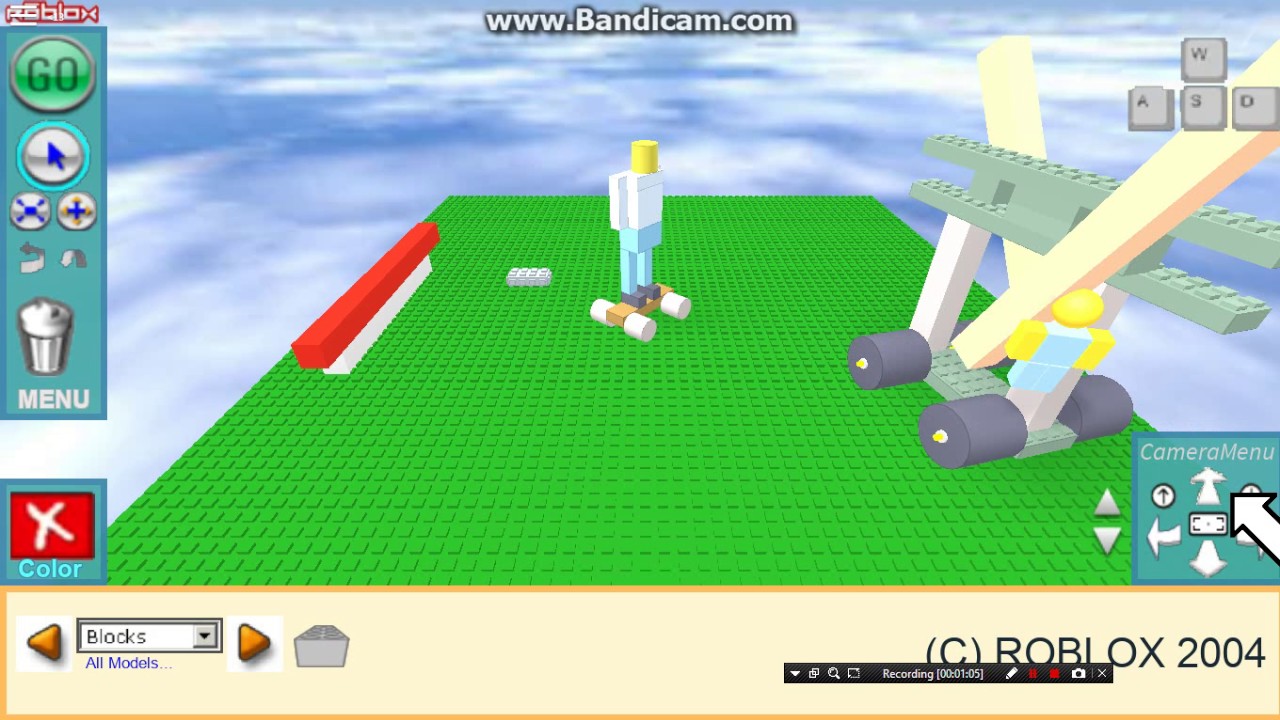


Evolution Of Roblox 2004 2025 YouTube . Blog . The Evolution Of Roblox 2004 2025 YouTube . The Evolution Of Roblox 2004 2025 NEW YouTube . RobloxGo RBLX04 A ROBLOX 2004 Simulation Real Time Stats Thumbnail 2


ROBLOX Evolution 2004 2025 YouTube . Evolution Of Roblox Games 2004 2025 YouTube . Evolution Of Roblox 2004 2024 YouTube . Roblox 2004 Avatar Dynablocks Logo Open Pubg Mobile . RBLX04 A ROBLOX 2004 Simulation Roblox NoFilter

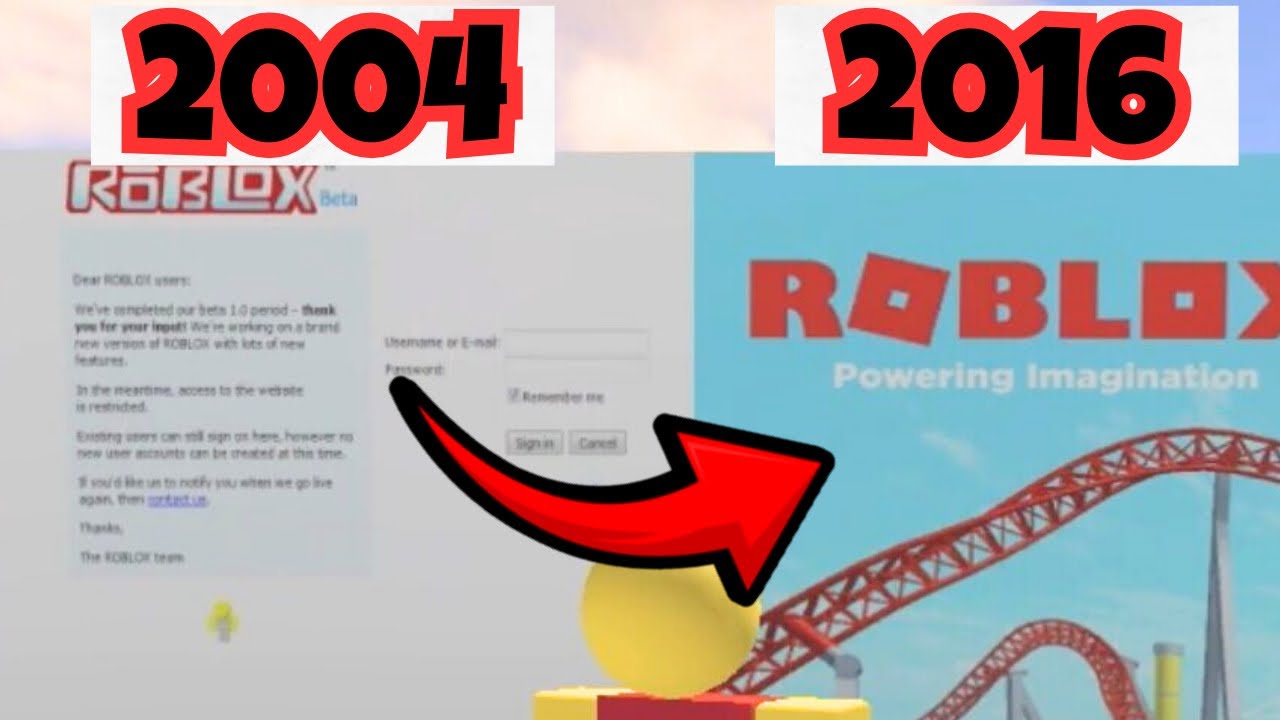


THE FIRST ROBLOX GAME EVER Roblox 2004 YouTube . 15 Best Roblox Horror Games Of 2026 15 Game Roblox Horror Terbaik 2026 Paling Seram And Bikin Deg Degan 7f944699ce . OLD Roblox Evolution 2004 2016 YouTube . Roblox In 2004 YouTube . Roblox Evolution 2006 2024 YouTube
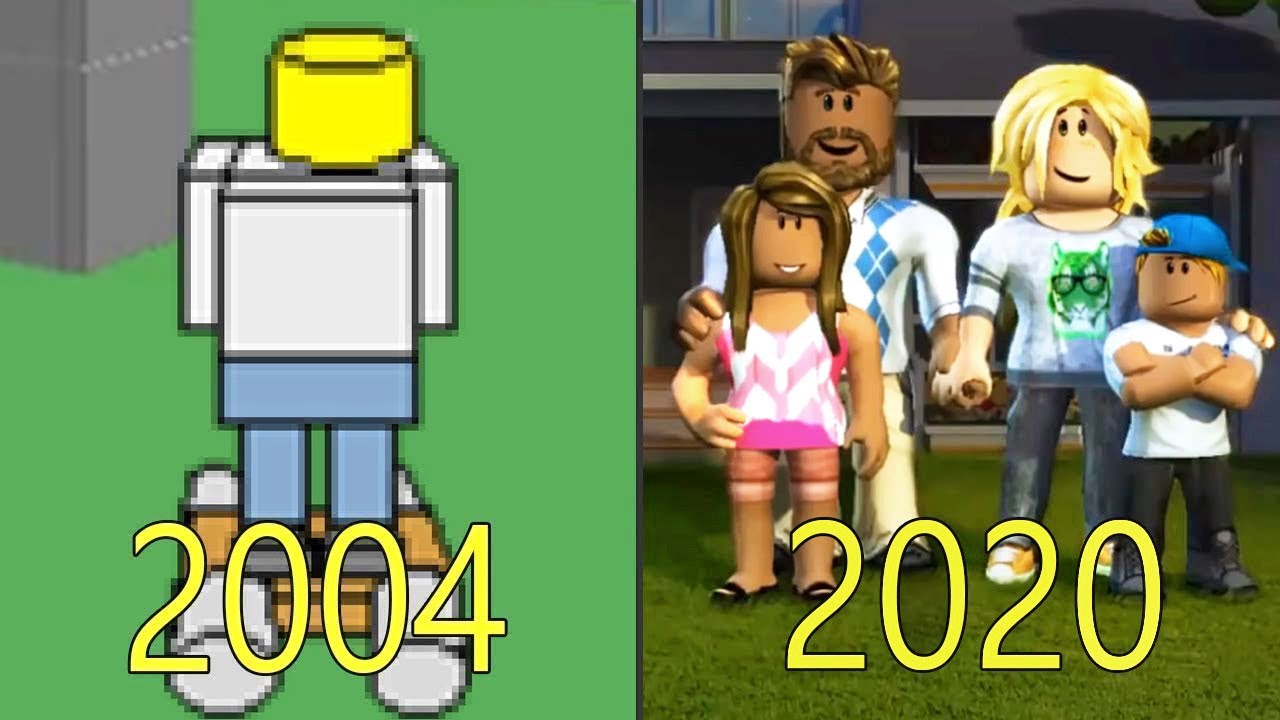


Evolution Of Roblox 2004 2020 . The Evolution Of Roblox For 20 Years 2006 2024 YouTube . The Evolution Of Roblox Logos 2004 To 2023 2024 YouTube . Playing The First Roblox Game Ever 2004 YouTube . Evolution Of Roblox Game 2005 2024 YouTube Hqdefault


Evolution Of Roblox Avatars 2006 2024 YouTube . 100 Unofficial Roblox Annual 2026 Brand New For 2025 The Iconic SL1500 . Calendar Club Definite Guide To Roblox 2026 Annual 1200x1769 . PLAYING ROBLOX 2004 YouTube . Top Visited Roblox Games 2021 2026 Alternative YouTube



Roblox 2004 2005 2025 2026 YouTube Oardefault . A Roblox Movie 2026 Teaser Trailer Realtime YouTube Live View . The History Of Roblox From 2004 Until Now TechStory 1024x538 . What Will Roblox Look Like In 2026 Blog Graphics 26 . Top 10 Roblox Branded Games 2024 2026 Top 10 Roblox Games 1


Roblox The Old Roblox 2004 Dynablocks YouTube . Evolution Of Roblox Gaming The History And Development Of Now Gg In 2024 . EVOLUTION Of ROBLOX 2004 2025 YouTube . Roblox 2004 Edition 01977fd0 4ee7 7b06 96d3. Charts Roblox NoFilter