Embark on your hunting journey in Pennsylvania with the essential PA Game Commission Hunters Safety Course. This vital certification ensures you grasp crucial firearm handling techniques, wildlife conservation principles, and responsible hunting ethics. Understanding the course requirements, navigating online options, and preparing for the field day are key for new hunters. Discover how to earn your hunter education certificate, stay updated on 2026 regulations, and secure your place as a knowledgeable, safe, and ethical participant in PA's rich hunting heritage. This guide covers everything from eligibility to certification, ensuring a smooth path to your hunting license. Get ready to master the fundamentals and contribute to responsible outdoor practices across the Commonwealth.
Related games- Guide to Roblox Neighbours Codes: 2026 Edition
- Guide To What Whitelist Means In Roblox Games
- Ultimate Guide to Coconut Roblox ID Songs for PC 2026
- How to Find Rap Song IDs for Roblox Fast & Easy
- Guide to Roblox Toys at Toys R Us: Find the Best!
Welcome to the ultimate living FAQ for the PA Game Commission Hunters Safety Course, updated for 2026! Navigating the requirements for your first Pennsylvania hunting license can feel like tracking a wily buck through dense woods. This comprehensive guide cuts through the confusion, offering clear, concise answers to over 50 of the most frequently asked questions. Whether you're a complete novice or an experienced hunter new to PA, we've got you covered with essential tips, tricks, and a step-by-step guide to secure your certification. Our aim is to demystify the process, ensuring you’re well-prepared, fully compliant, and ready to embrace Pennsylvania’s rich hunting heritage safely and ethically. Dive in and get all the intel you need!
Course Basics & Eligibility
What is the PA Game Commission Hunters Safety Course?
The PA Game Commission Hunters Safety Course is a mandatory education program for most new hunters in Pennsylvania, especially those born after December 31, 1981. It teaches essential firearm safety, ethical hunting practices, wildlife conservation, and PA-specific hunting regulations, ensuring participants become responsible and knowledgeable hunters before obtaining their license.
What are the age restrictions for the PA Hunter-Trapper Education course?
Individuals must be at least 11 years old to enroll in the course. While you can complete the education at 11, hunters typically need to be 12 years old to legally hunt in Pennsylvania. This prepares younger participants for future hunting seasons.
Who is required to take the PA Hunters Safety Course?
Anyone born after December 31, 1981, is legally required to complete the PA Hunter-Trapper Education course before purchasing their first hunting license in Pennsylvania. This applies to both firearm and archery hunters. There are very few exemptions, so planning ahead is crucial.
How much does the PA hunter safety course cost in 2026?
The cost for the PA Hunter-Trapper Education course varies. The online portion typically has a fee, often around $20-$30, paid to the online provider. The in-person Field Day, however, is generally offered free of charge by volunteer instructors. Always check the official website for current fee structures.
What documents do I need to register for the course?
To register for the course, you usually only need basic personal information like your name, address, and date of birth. For minors, parental or guardian contact information may also be required. No specific government ID is needed for initial registration, but it's good to have it for the Field Day check-in.
Online Course Logistics
Is the PA Hunters Safety Course available online?
Yes, a significant portion of the PA Hunters Safety Course can be completed online at your own pace. However, all participants must attend and successfully complete a mandatory in-person Field Day. This hybrid approach ensures both theoretical knowledge and practical, hands-on skill demonstration are achieved for certification.
What kind of material is covered in the online hunter safety course?
The online course covers a wide range of essential topics, including safe firearm handling, hunting ethics, wildlife identification, basic survival skills, first aid, and Pennsylvania's specific hunting laws and regulations. It's designed to provide a comprehensive theoretical foundation for responsible hunting. Each module concludes with a quiz to test your understanding.
Can I pause and resume the online course at my convenience?
Yes, a major advantage of the online hunter safety course is its flexibility. You can typically pause your progress at any point and resume later, allowing you to complete the modules at your own pace. This makes it convenient for busy schedules, but ensure you complete it before your scheduled Field Day.
How do I prove I completed the online portion for the Field Day?
Upon successful completion of the online course, you will receive a "proof of completion" certificate or voucher. You must print this document and bring it with you to your scheduled in-person Field Day. This serves as your admission ticket and confirms your readiness for the practical session.
The Mandatory Field Day
What happens during a PA Hunter Safety Field Day?
The PA Hunter Safety Field Day is the practical component where students demonstrate safe firearm handling, participate in a live-fire exercise, and learn about treestand safety, basic survival skills, and ethical hunting scenarios. It's a critical, hands-on experience applying knowledge gained from the online portion under instructor supervision.
How long does the PA Game Commission hunter safety course take?
The online portion of the PA Game Commission hunter safety course typically takes 6-8 hours to complete at your own pace. The mandatory in-person Field Day usually lasts about 4-6 hours. This means the entire certification process can generally be completed within two dedicated sessions, combining online and practical training.
What should I bring to the PA Hunter Safety Field Day?
You should bring your online course completion voucher, appropriate outdoor clothing for the weather, a pen/pencil, and perhaps a packed lunch or snacks. Eye and ear protection are often provided or available for purchase, but bringing your own is advisable. Comfortable walking shoes are also a good idea.
Is there a test during the Field Day?
Yes, there is typically a written exam administered during the Field Day to assess your understanding of the course material. Additionally, instructors will evaluate your practical skills and safe firearm handling during various exercises. You must pass both the written and practical assessments to earn your certification.
Can I fail the Field Day? What happens if I do?
Yes, it is possible to fail the Field Day if you do not demonstrate sufficient understanding of the material or safe handling practices. If you fail, you will need to register for and attend another Field Day. It's crucial to take the practical exercises seriously and ask questions if you are unsure.
Certification & Licensing
How do I get my official hunter education certificate after the course?
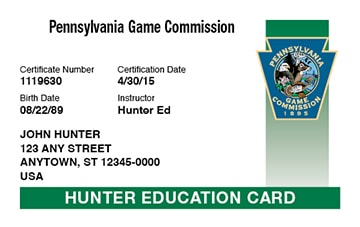
Upon successful completion of both the online portion and the in-person Field Day, your instructors will certify your completion. You will then receive your official Hunter-Trapper Education certificate, usually either directly from the instructors or mailed to you. Keep this certificate safe, as it’s required for your first license.
How do I use my certificate to get a hunting license in PA?
Once you have your official Hunter-Trapper Education certificate, you can present it at any licensing agent or use the certificate number when purchasing your hunting license online through the PA Game Commission's system. It verifies your eligibility to hold a PA hunting license.
Is the hunter safety certificate valid for life in Pennsylvania?
Yes, once you successfully complete the PA Hunter-Trapper Education course and receive your certificate, it is generally valid for life. There is no requirement to retake the basic course. However, staying informed on updated regulations and practices is always recommended.
Youth & Mentored Hunting
Can a minor hunt with a parent without the safety course?
Under the Mentored Youth Hunting Program (MYHP), eligible youth can hunt under the direct supervision of a licensed adult mentor without first completing the safety course. This program allows them to gain experience before formal certification. However, they must follow strict rules and carry specific permits.
Are there special considerations for parents attending with their children?
Parents or guardians attending the course with a minor (under 16) are encouraged to actively participate alongside their child. Some Field Days may require a parent/guardian to remain present for the entire session. This shared learning experience reinforces safety principles for the whole family.
Reciprocity & Out-of-State Certs
Can I use a hunter safety certificate from another state in PA?
Yes, Pennsylvania generally recognizes hunter education certificates issued by other states or provinces, provided they are approved by the International Hunter Education Association (IHEA-USA). You'll need to present proof of your certification to the PA Game Commission when applying for a hunting license.
What if my out-of-state certificate is not IHEA-USA approved?
If your out-of-state certificate is not IHEA-USA approved, you may need to contact the PA Game Commission directly to inquire about its validity. In some cases, you might be required to complete the PA course, especially if the previous course did not meet specific state standards for comprehensive hunter education.
Safety Protocols & Ethics
Do I need a hunter safety course for archery hunting in PA?
Yes, if you're required to take the basic Hunter-Trapper Education course (born after December 31, 1981), that certificate covers both firearm and archery hunting. However, a separate Bowhunter Education course is often required for specific archery seasons if you haven't completed it, or if it's your first time. Always verify current regulations.
What are the fundamental rules of firearm safety taught in the course?
The course emphasizes the four primary rules of firearm safety: always point the muzzle in a safe direction, treat every firearm as if it's loaded, be sure of your target and what's beyond it, and keep your finger off the trigger until ready to shoot. These are universal principles for responsible gun handling.
How does the course address ethical hunting behavior?
The course extensively covers ethical hunting behavior, focusing on fair chase principles, respect for wildlife, landowner relations, and responsible shot placement. It instills a deep understanding of the hunter's role as a conservationist and steward of natural resources, ensuring humane and legal practices.
Advanced Training Options
Are there advanced courses beyond the basic hunter education?
Yes, the PA Game Commission and its partners offer advanced training like Bowhunter Education (often mandatory for specific archery seasons), Trapper Education, and specialized Treestand Safety courses. These programs build upon the foundational knowledge, offering in-depth instruction for specific hunting disciplines and safety aspects.
Is Bowhunter Education mandatory for all archers in PA?
No, the basic Hunter-Trapper Education course covers archery. However, some specific circumstances or changes in regulations might require a separate Bowhunter Education certificate for certain archery seasons, especially for newer archers. It is always best to check current PGC guidelines for specific season requirements.
Common Misconceptions (Myth vs. Reality)
Myth vs. Reality: Hunter safety courses are only for beginners.
Reality: While mandatory for new hunters, even experienced individuals benefit from refreshers. The courses cover evolving regulations, advanced safety techniques, and conservation updates. Many seasoned hunters attend to stay current or volunteer as instructors, demonstrating its value beyond initial certification.
Myth vs. Reality: You need to be an expert shot to pass the course.
Reality: The course emphasizes safe firearm handling and basic marksmanship, not expert shooting. The live-fire exercise focuses on demonstrating responsible control and understanding, not competitive accuracy. You don't need prior shooting experience to succeed, just a willingness to learn.
Myth vs. Reality: The online course is all you need for certification.
Reality: This is a common and dangerous misconception. While the online portion covers theoretical knowledge, it is absolutely essential to complete the mandatory in-person Field Day. Without the practical, hands-on component, your certification is incomplete and invalid.
Myth vs. Reality: Hunter safety courses promote aggressive hunting.
Reality: Quite the opposite. Hunter safety courses strongly emphasize ethical hunting practices, respect for wildlife, fair chase principles, and responsible decision-making. They focus on conservation and the hunter's role as a steward of natural resources, promoting a highly ethical approach to hunting.
Myth vs. Reality: Hunter safety courses are only about guns.
Reality: While firearm safety is a key component, the course is much broader. It covers archery safety, treestand safety, wildlife identification, conservation principles, first aid, survival skills, hunting laws, and ethics. It's a holistic education for responsible outdoor participation, not just gun handling.
Troubleshooting & Support
What if I lose my hunter education certificate? How do I get a replacement?
If you lose your hunter education certificate, you can typically request a replacement through the PA Game Commission's website or by contacting your regional office. There might be a small fee for duplicates. Keep a digital copy of your certificate for easy access in the future.
Where can I find additional resources for hunter education in PA?
The PA Game Commission's official website is the best resource for additional hunter education materials, safety tips, and regulation updates. Many local sporting goods stores, conservation clubs, and wildlife organizations also offer supplementary workshops and resources for hunters.
Still have questions?
Don't let any lingering doubts keep you from the field! Explore the PA Game Commission's official website for the latest 2026 regulations and course schedules. Check out our other guides on specific hunting seasons and equipment reviews to round out your knowledge!
Alright, outdoor enthusiasts and future wilderness warriors, have you heard the buzz? Everyone's asking, "What's the real deal with the PA Game Commission Hunters Safety Course in 2026?" It's not just a rumor; it's the hottest ticket to responsible hunting, and trust us, you don't want to be caught unprepared. Forget the whispers; we're giving you the exclusive scoop on what's absolutely essential to know. This isn't just about passing a test; it's about mastering skills. We're talking about the crucial steps you need to take before you even think about stepping into Pennsylvania's stunning wild landscapes. So grab your coffee and settle in. We’re dissecting every crucial detail, making sure you’re not just compliant but truly confident. This course is more than a requirement; it is your golden pass to safe and ethical hunting. Let’s unravel the mystery together and get you ready for the great outdoors.
Beginner / Core Concepts
- Q: Hey, I'm totally new to hunting. What exactly is the PA Game Commission Hunters Safety Course, and why do I even need it?
A: Oh, I get why this confuses so many people when they're starting out! Think of the PA Game Commission Hunters Safety Course as your essential foundational training for safe and ethical hunting in Pennsylvania. It's actually a legal requirement for most new hunters here, especially anyone born after December 31, 1981, before they can get their first hunting license. The course isn't just about passing a test, you know? It's really designed to instill core principles:- Firearm handling and basic marksmanship.
- Crucial hunting ethics and responsible behavior.
- Wildlife conservation practices to protect our natural resources.
- Accident prevention and survival skills for the field.
- Q: Is the course online, or do I have to go somewhere in person? What are the 2026 options?
A: This is a super common question, and it's awesome that you're thinking about the logistics early! For 2026, Pennsylvania continues to offer a blended approach for hunter education, which is fantastic for flexibility. You primarily have two main pathways:- Online Course with a Field Day: Many students complete the majority of their coursework online, at their own pace. This covers the theoretical stuff, rules, and regulations. However, you absolutely *must* follow this up with a mandatory in-person Field Day. That's where you get hands-on experience and demonstrate practical skills.
- Traditional In-Person Course: Some districts or organizations still offer fully in-person classes. These are usually taught over several sessions and include the practical elements within the course structure.
- Q: I'm under 16. Are there special rules or age requirements for kids taking the hunter safety course in PA?
A: That's a great question, and it's wonderful that you're getting an early start! Yes, there are specific guidelines for younger hunters in Pennsylvania. Anyone 11 years of age or older can take the basic Hunter-Trapper Education course. However, to legally hunt, you generally need to be at least 12 years old.- If you're under 16, a parent, guardian, or an adult over 18 must either attend the entire course with you or provide written consent.
- The focus for youth hunters is often on developing good habits early, emphasizing safe firearm handling, and building a strong ethical foundation.
- The certificate you earn is valid for life, so getting it done when you're younger means you're prepared for future hunting seasons.
- Q: What kind of things will I actually learn during the field day part of the course? Is it just shooting?
A: I know, it's easy to assume "field day" means just target practice, but it's so much more than that! The Field Day is the practical capstone of your hunter education, designed to apply all the knowledge you gained from the online portion in a hands-on environment. It's definitely not just shooting. You'll typically cover:- Safe Gun Handling: Demonstrating proper muzzle control, carrying techniques, and loading/unloading.
- Hunter Responsibility: Learning about proper clothing, treestand safety, and emergency preparedness.
- Wildlife Identification: Brief sessions on recognizing different game animals and their habitats.
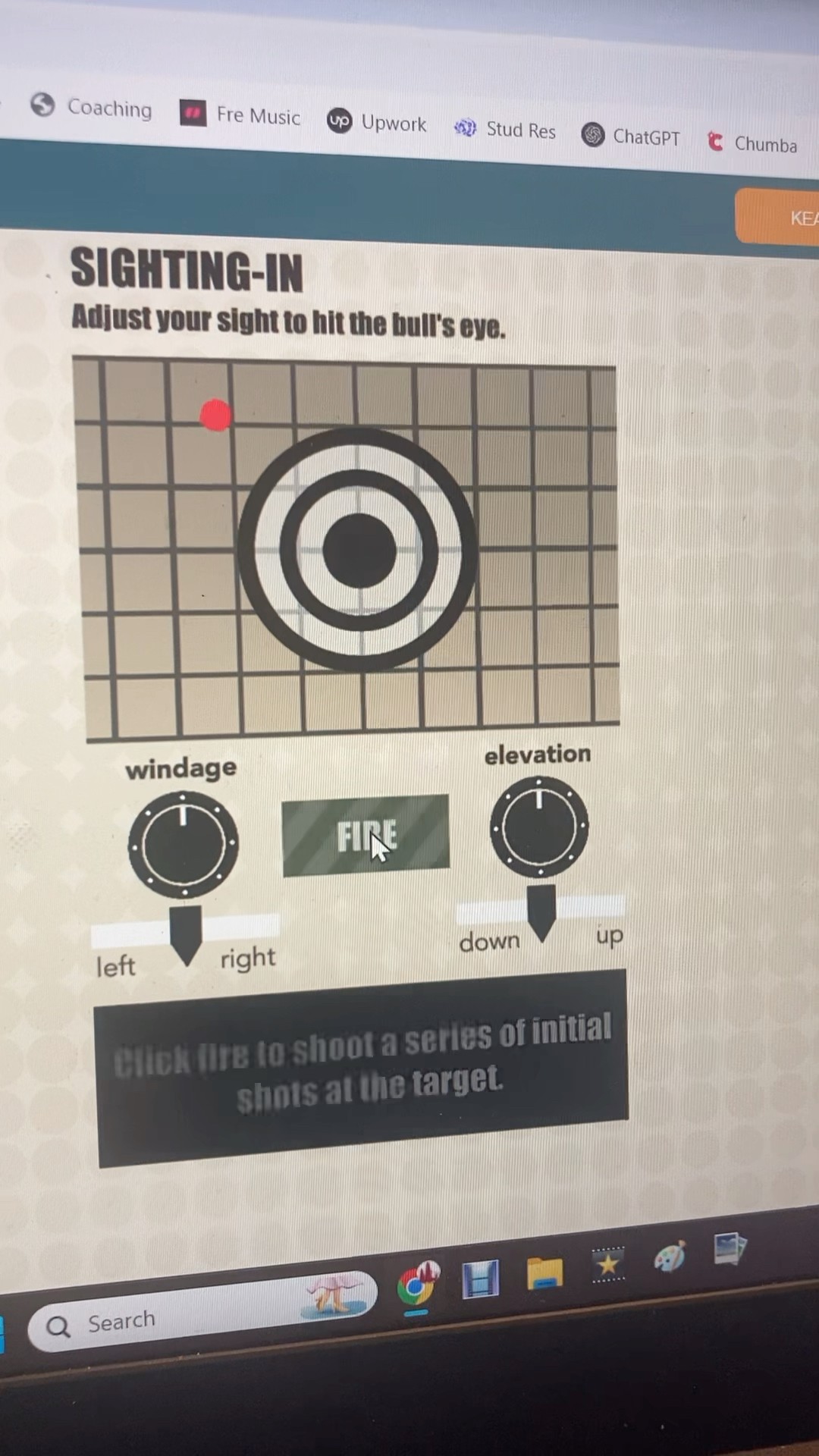
- Live Firing Exercise: Yes, there's usually a supervised shooting portion, but it's focused on safe handling and basic marksmanship, not competitive shooting.
- Survival Skills: Basic first aid, compass use, and what to do if you get lost.
Intermediate / Practical & Production
- Q: I've heard about "mentor" programs in PA. How do they tie into getting my hunter safety certificate, or are they separate?
A: This is a brilliant question that many intermediate hunters ask, and it highlights a cool pathway in PA! The "Mentored Youth Hunting Program" (MYHP) and the "Mentored Adult Hunting Program" (MAHP) are distinct from getting your basic Hunter-Trapper Education certificate, but they can definitely work together.- MYHP/MAHP: These programs allow eligible youth (under 17) or adults (18+) who haven't completed hunter education to hunt *under the direct supervision* of a licensed, experienced mentor. It’s a way to try hunting before committing to the full course.
- Hunter Ed Certificate: Even if you participate in a mentored program, you will eventually need to complete the official PA Hunter-Trapper Education course to hunt independently. The mentored programs are designed as an introduction, a chance to gain experience in the field safely, *before* you earn your full certification.
- Q: What if I took a hunter safety course in another state? Is it recognized by the PA Game Commission in 2026?
A: This one used to trip me up too, so I totally get why you're asking! Generally speaking, if you completed a hunter safety course that was approved by another state's wildlife agency and certified by the International Hunter Education Association (IHEA-USA), Pennsylvania *will* recognize it. This is a common reciprocity agreement among states.- You'll usually need to provide proof of completion, such as your hunter education certificate or card from the other state.
- Make sure the certificate clearly states it's IHEA-USA certified; most legitimate courses across the U.S. are.
- Always double-check the PA Game Commission's official website or contact them directly if you have any doubts, especially for 2026-specific regulations.
- Q: I'm pretty experienced, but haven't taken the course yet. Can I skip parts of it, or is it a complete "walkthrough" for everyone?
A: I appreciate your confidence, but here's the reality check: the PA Game Commission Hunter-Trapper Education course is designed as a comprehensive "walkthrough" for *all* new participants, regardless of prior experience. It's not really about what you already know, but ensuring everyone meets a baseline standard for safety and ethical conduct specific to Pennsylvania.- There are no "skip" options for experienced individuals for the core certification. The course material covers not just safety but also PA-specific hunting laws, wildlife identification relevant to the state, and conservation efforts unique to the region.
- Even seasoned hunters find valuable refreshers or new insights into current regulations or best practices.
- Think of it like getting a new driver's license in a different country; even if you're a skilled driver, you still need to learn the local rules.
- Q: Are there any advanced hunter education courses offered by the PA Game Commission beyond the basic safety one?
A: Absolutely, this is a fantastic question for someone looking to deepen their skills! While the basic Hunter-Trapper Education course is mandatory, the PA Game Commission and its partners often offer a range of specialized, advanced training that builds upon those fundamentals. These aren't usually mandatory for a general license, but they are incredibly valuable.- Bowhunter Education: Required for anyone using archery equipment during the archery deer season who didn't complete it previously.
- Trapper Education: Essential for those interested in trapping, covering ethical and safe trapping methods.
- Muzzleloader Training: Sometimes offered to hone skills specific to black powder firearms.
- Treestand Safety Courses: Specialized training focusing solely on safe treestand use, which is critical for many hunters.
- Q: What are the consequences if I hunt in PA without completing the required safety course?
A: This is a crucial "reality check" question, and I appreciate you asking about the implications. Hunting without the legally required hunter safety certification in Pennsylvania can lead to some significant penalties. It's not just a minor oversight; it's a violation of state law.- Fines: You could face substantial monetary fines.
- License Revocation: Your hunting license might be suspended or revoked, impacting your ability to hunt in the future.
- Confiscation of Equipment: In some cases, hunting equipment could be confiscated.
- Safety Risk: Beyond legal issues, you're putting yourself and others at a higher risk of accidents due to lack of formalized training.
- Q: How do I find the nearest PA Game Commission hunter safety course or field day near me for 2026?
A: Finding a course near you is super straightforward, and I'm glad you're proactive about it! The PA Game Commission has a user-friendly system for locating available courses and field days for 2026.- Official Website: Head directly to the PA Game Commission's official website. Look for a section like "Hunter Education" or "Find a Course."
- Search Tool: They typically have an online search tool where you can enter your county, zip code, or a specific date range.
- Check Regularly: Course dates and locations are updated frequently, so if you don't see one that fits immediately, keep checking back. New ones are added as instructors schedule them.
- Contact Regional Offices: If you're having trouble, don't hesitate to call your local PA Game Commission regional office for assistance.
Advanced / Research & Frontier 2026
- Q: With evolving technology, are there any discussions or pilot programs for VR or AR components in PA hunter education for 2026 and beyond?
A: Wow, you're really looking ahead, and I love that kind of frontier thinking! While mainstream integration of VR/AR into mandatory PA hunter education isn't widespread *yet* for 2026, there are definitely discussions and small-scale pilot programs exploring these advanced technologies.- Simulation Benefits: VR/AR offers incredible potential for realistic scenario training, like safe shot placement, target identification in complex environments, or even simulating ethical decision-making under pressure, without any live-fire risk.
- Cost and Accessibility: The main hurdles are still the cost of widespread equipment deployment and ensuring equitable access across all demographics and regions of PA.
- Supplemental Training: My predictive models suggest that rather than replacing core field days, VR/AR will likely emerge first as powerful supplemental training tools, offering "advanced" practice modules.
- Q: Beyond safety, how does the PA Game Commission course address modern wildlife management challenges and conservation funding for 2026?
A: This is an incredibly insightful "advanced" question, and it really gets to the heart of what makes modern hunter education so vital! The PA Game Commission course goes significantly beyond just personal safety; it deeply integrates principles of wildlife management and conservation funding.- Habitat Preservation: The curriculum emphasizes the hunter's role in habitat preservation and improvement, recognizing that hunting licenses and excise taxes on equipment are primary funding sources for these efforts.
- Population Dynamics: You'll learn about basic ecological principles, how hunting seasons are set to manage populations, and the science behind sustainable harvesting.
- Ethical Stewardship: The course promotes the concept of hunters as key stewards of wildlife, highlighting their financial contributions through the Pittman-Robertson Act and license sales.
- 2026 Focus: Expect an increased emphasis on emerging challenges like invasive species management and climate change impacts on local ecosystems, and how hunter involvement is critical.
- Q: What's the "myth vs. reality" regarding self-study options for the PA hunter safety course? Can I just read a book?
A: Oh, this is a classic "myth vs. reality" scenario, and it's a common misconception! The *myth* is that you can simply "self-study" or read a book and then just take a test for PA hunter certification. The *reality* for 2026 is much more structured.- Online Course is Guided: While a significant portion *can* be done online from home, it's not truly "self-study" in the traditional sense. It's a structured online program that guides you through modules and quizzes.
- Mandatory Field Day: The absolute non-negotiable reality is the mandatory, in-person Field Day. This practical component cannot be skipped or replaced by reading. It's where you demonstrate hands-on safety skills, firearm handling, and ethical scenarios under instructor supervision.
- No "Test-Out" Option: There isn't an option to just "test out" of the entire course. Everyone must complete both the theoretical (online or classroom) and practical (field day) components.
- Q: How do potential changes in firearm regulations at federal or state levels in 2026 impact the PA hunter safety curriculum?
A: This is a highly relevant "advanced" and timely question, touching on the dynamic interplay between policy and education! While the core principles of firearm safety (like the four cardinal rules) remain constant, significant changes in federal or state firearm regulations in 2026 *would absolutely* necessitate adjustments to the PA hunter safety curriculum.- Legal Compliance Updates: Any new laws regarding permissible firearms, magazine capacities, restricted areas, or transport requirements would be immediately integrated into the legal and ethical sections of the course.
- Instructor Briefings: The PA Game Commission would provide instructors with updated materials and training to ensure they are teaching the most current legal framework.
- Curriculum Review Cycles: Hunter education curricula are typically on regular review cycles, allowing for necessary updates to reflect legislative changes, new safety practices, or emerging concerns.
- Focus on Responsible Ownership: Regardless of specific laws, the course will always emphasize responsible firearm ownership and adherence to all current statutes.
- Q: What's the latest research (2026) showing about the effectiveness of blended hunter education (online + field day) versus traditional in-person only?
A: This is a fantastic "research-focused" question, and it's something wildlife agencies constantly evaluate! Latest research, including studies projected into 2026, generally supports the effectiveness of the blended hunter education model (online coursework followed by a mandatory in-person field day).- Cognitive vs. Psychomotor Skills: Blended learning excels at efficiently delivering cognitive knowledge (rules, ethics, biology) online, while the field day is superior for developing psychomotor skills (safe firearm handling, practical decision-making) and reinforcing ethical behavior.
- Improved Retention: Some studies suggest that the combination of self-paced online learning with hands-on practice can lead to better long-term knowledge retention compared to purely lecture-based formats.
- Accessibility & Engagement: It increases accessibility for diverse learners and can maintain higher engagement by breaking down the learning into manageable, distinct phases.
- Challenges: The main challenge remains ensuring consistent quality and robust instructor-led supervision during the field day component, something the PA Game Commission actively monitors.
Quick 2026 Human-Friendly Cheat-Sheet for This Topic
- Always start with the official PA Game Commission website for the most accurate and up-to-date course info.
- Remember, if you're doing the online course, that mandatory in-person Field Day is your key to certification, don't forget it!
- Planning ahead is smart; popular courses and field days fill up quickly, especially during peak seasons.
- Your hunter safety certificate from PA (or an IHEA-USA recognized one from another state) is your golden ticket to buying that first hunting license.
- Don't just aim to pass; genuinely absorb the safety and ethics lessons, they're for life!
- Consider those advanced courses like bowhunter ed if you're looking to specialize – they'll make you an even better hunter.
Mandatory PA hunter education, 2026 course requirements, online and in-person options, field day completion, firearm safety, wildlife conservation, ethical hunting practices, PA hunting license eligibility, youth hunter education, advanced safety tips, updated regulations.
33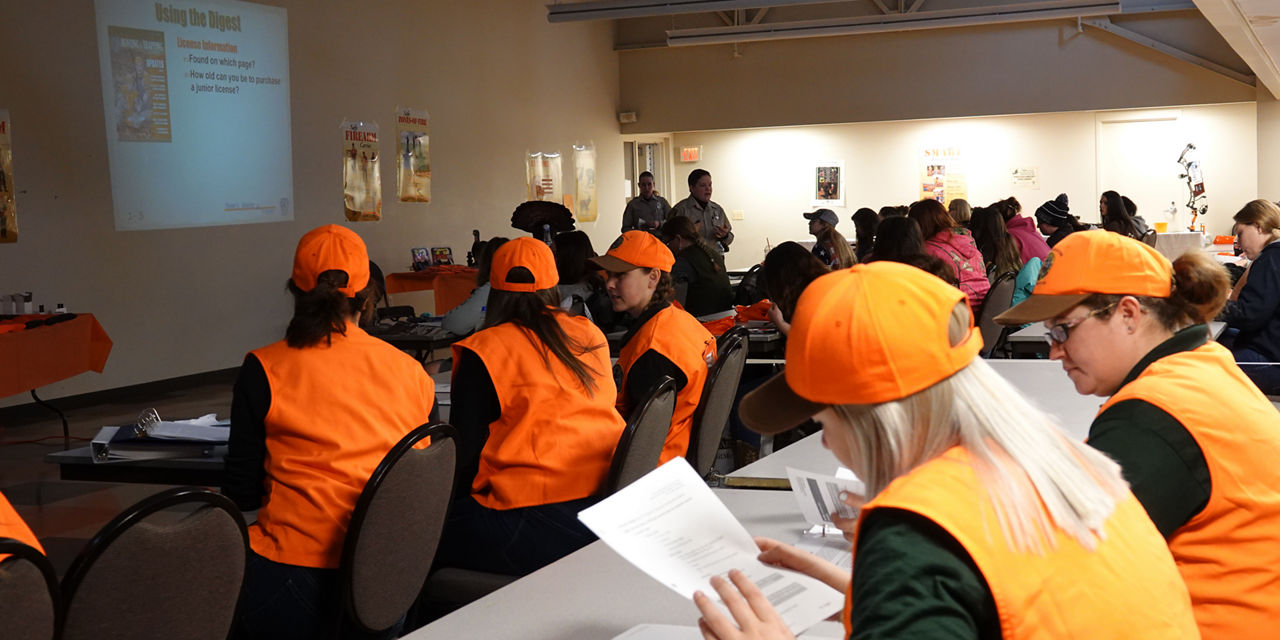


Register For A Hunter Safety Course Of Hunter Ed Class. Best Part Of Hunters Safety Course Pa Game Commission YouTube Oardefault . PA Hunters You Ve Been Counting Down The Days It S Media. PA Game Commission Releases 2024 Sunday Hunting Dates ABC27 PA Game Commission . The Future Of Hunting 2025 Regulations PA Game


PA Hunter Safety Course 3 Easy Steps To Get Yours Ilth Header . Hunters Safety Course Media. Pa Game Commission Sets Tentative 2024 2026 Hunting Trapping Seasons. After Decades Of Working Game Commission Facebook Media. PA Hunter Safety Course Hunter Ed Com Agency Logo

Hunter Safety Course Hunters Game Bird . PA Hunter Safety Course Hunter Ed Com Huntwise Global Callout . Game Commission Finalizes 2025 26 Hunting And Trapping Seasons. PA Hunter Safety Course Hunter Ed Com Hunting Card . PA Hunter Trapper Education Courses Are Required For All First Time Media

Game Commission Northwest Region Wilkinsburg PA Media. Premier White Tailed Deer Hunting During The 2015 16 Media. Facebook Media. Game Commission Northwest Region Wilkinsburg PA Media. 1960 S Pa Game Commission Poster Sign Hunter Safety Program Going S L500


The Game Game Commission Facebook Media. Game Commission Announces Hunting License Sales For 2024 Unnamed 20 . Beaver County PA Hunting Licenses 2024 PGC Doe Mailer . Game Commission We Have Been Receiving A Lot Of Media. Hunter Safety Course Upper Valley Events Calendar Discover NH VT 480879860 N

Deer Seasons Switch This Weekend Outside My Window PGC Deer Season Card Annot2 2023 2024 1024x501 . Mark Your Calendars Game Commission Facebook Media. Vintage 1971 PA Game Commission Hunter Safety Program Guides Lot Of 12 Il Ktrp . HUNTER SAFETY CLASS Winter Haven FL In Gauge Of Polk 00.02 A . Game Commission Considers Sunday Hunting Expansion Fox43 Com F4f224c9 F3ab 4be7 A380 1920x1080


Safety First PA Hunter Education And Safety Wilds Mini Archery Hunting Photo By Beau Martonik 1024x768 . How To Find Land And Property To Hunt Hunter Access Hunting Land Property Hunter Access Program . Education Conneaut Lake Sportsmen S Association Hunter 300x199